By: Mr. Industry
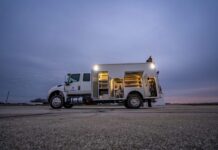
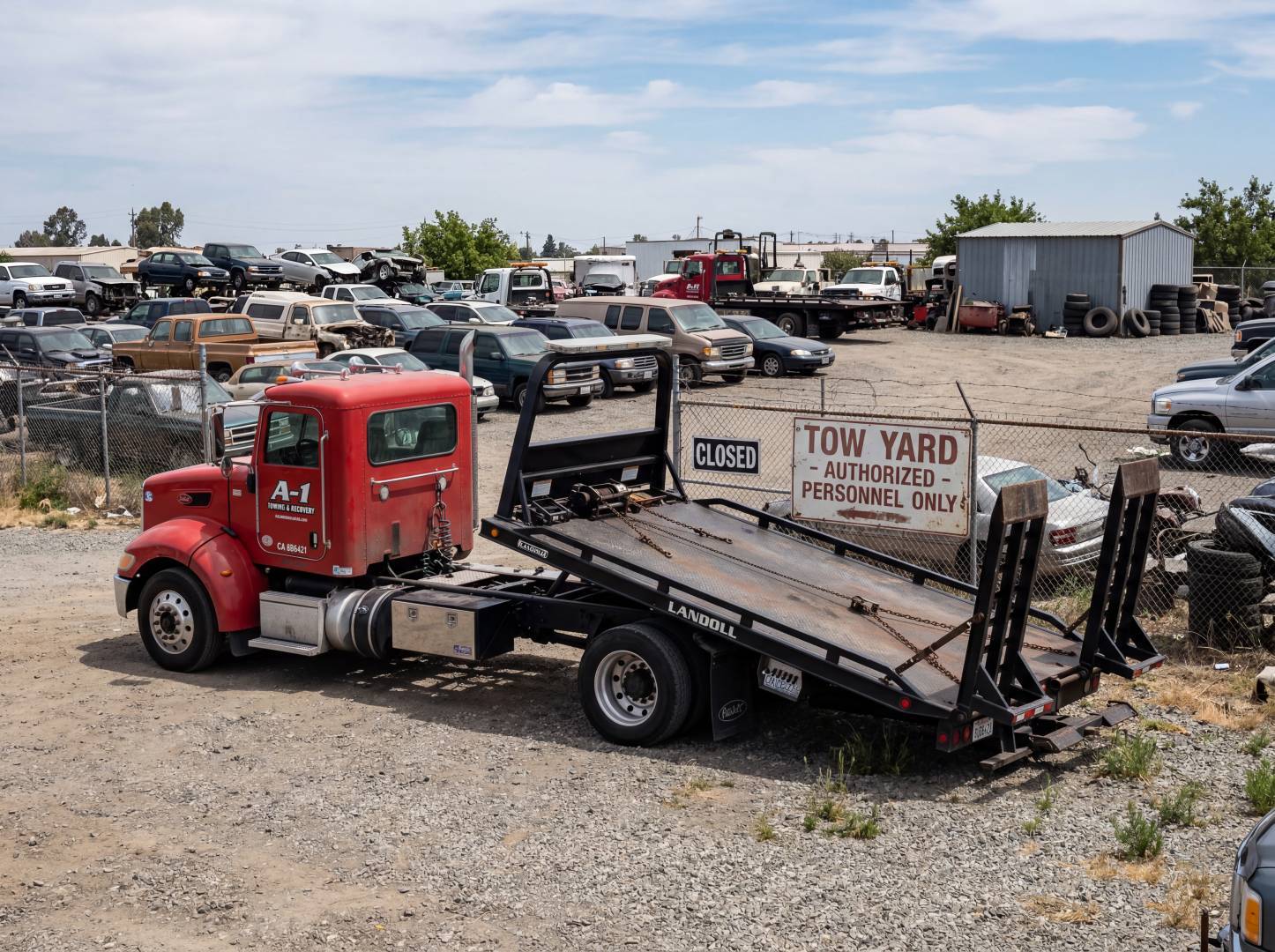
In this business, we love the sound of a diesel engine cranking over. To a veteran tower, that rhythmic thrum isn’t just noise, it’s the heartbeat of profit. It’s the sound of a billable mile, the sound of a successful recovery, and the sound of a business that is alive. However, what about the trucks that aren’t making noise? Walk out into your yard right now. Look at that rollback or that heavy-duty wrecker sitting in the corner, cold and silent. Most owners look at a parked truck and find a way to sleep at night by saying, “Well, at least I’m not burning $5-a-gallon diesel today. At least I’m not wearing down a $600 tire or putting miles on the engine.” That thought is a lie. It’s a lie that is costing you a fortune. When a truck sits, it isn’t “free.” It is a ghost on your ledger, quietly and relentlessly eating away at your company’s lifeblood. If you want to stop the bleed and start the lead, you must stop thinking like a driver and start thinking like an actuary.
You must understand the brutal reality of Ownership Cost vs. Operating Cost.
The Invisible Overhead: The Tax on Silence; The towing world believes that expenses only happen when the wheels are turning. In reality, a truck is a financial vampire that sucks money out of your bank account 24 hours a day, 365 days a year.
The Insurance Drain: Your insurance premium is a fixed monster. Whether that truck does 50 calls a day or zero calls a month, the bill from the carrier remains the same. If you’re paying
$12,000 a year to insure a unit, that truck is costing you $32.87 every single day just to exist. When it sits, that thirty bucks is a pure loss. Over a week of idling, you’ve just handed the insurance company $230 for the pleasure of looking at your own equipment.
The Depreciation Trap: Iron doesn’t hold its value like gold. The moment you took delivery of that truck, the clock started ticking. Depreciation is the silent killer of net worth. A truck loses value based on two things: wear-and-tear (miles) and age. Even with zero miles, the market value of that truck drops every time a new model year is released. You are losing equity in a stationary asset. You’re essentially watching a pile of cash slowly evaporate in your parking lot.
Permits, Licensing, and the “Right to Exist”: Taxes, heavy highway use permits, registration, and inspections. Divide those annual costs by the number of days in a year. That is your daily “tax” for the right to let that truck sit idle. In some states, that daily cost is higher than a steak dinner. Are you okay with buying a steak dinner for a piece of machinery that isn’t working for you?
Opportunity Cost: The Thief in the Night.
In business school, they call it “Opportunity Cost.” In the towing yard, we call it “The Thief.” The most dangerous cost to your business isn’t the money you spend; it’s the money you fail to
make. Every hour a truck sits is an hour that it isn’t solving a customer’s problem. Let’s look at the math, because the math doesn’t have feelings:
- Average Revenue Per Unit: Let’s say your target is $1,200 in gross revenue per day per
- The 5-Day Slump: If that truck sits for just five days a month because you “don’t have the right driver” or “things are slow,” you haven’t saved on fuel.
- The Real Loss: You have lost $6,000 in top-line
That $6,000 could have covered your shop rent, paid for a massive marketing push, or gone straight into your retirement fund. Instead, it’s gone. You can’t get those hours back. You can’t “double up” next month to recover it. It is a permanent hole in your history. Furthermore, an idle truck creates a “Service Gap.” Whenever a regular motor club or a local police precinct calls, you have to say “no” because your truck is unstaffed or sitting idle. They don’t wait for you. They call your competitor. An idle truck today often leads to a lost contract tomorrow.
The Stagnation Tax: Why “Resting” is Rotting; There is a physical cost to silence, too. Trucks are biological in their need for movement. They are engineered to be under load, to have hot oil circulating, and to have air moving through the systems. I’ve spent years in shops, and I’ll tell you the truth: A truck that sits is a truck that breaks.
- Seals and Gaskets: When they don’t get lubricated by moving fluid, they dry out, shrink, and crack.
- The Electrical Gremlins: Batteries drain, and modern ECU systems don’t like low-voltage environments.
- The Air System: Moisture settles in the tanks and lines when the compressor isn’t cycling regularly, leading to rust and valve failure.
I’ve seen more “parked” trucks end up in the shop for $3,000 “random” repairs than trucks that are running 12 hours a day. When you finally start that “backup” unit for a big job, that’s when the air bags leak or the turbo sticks. Stagnation is a tax you pay in the form of a tow-bill for your own truck.
The Mr. Industry Truth Bomb: Here it is, plain and simple: If you have a truck that sits idle more than 30% of the month, you don’t have an “extra” truck, you have a liability. You are paying to house a ghost. You are keeping a piece of iron on life support that isn’t providing any value to the family or the employees who depend on you. Owners love to say, “I keep it as a spare in case one breaks down.”
The Truth: You’d be better off selling the spare, taking that $80,000 or $150,000 in cash, and putting it into a high-yield account or upgrading your primary units so they don’t break down.
The Fix: Stop looking at your fleet as “backups” or “potentials.” To be a professional in this game, every unit must have a Mission and a Minimum Revenue Target.
- Set a Daily Floor: Every truck in your yard should have a “Nut” it needs to crack every day. Know exactly how much that truck needs to earn just to break even on its
- The 90-Day Rule: If a truck hasn’t hit its revenue target for three months straight, it’s time for a hard Does it need a better driver? Does it need a different shift? Or does it need a “For Sale” sign?
- Capital Reinvestment: Move the iron. If a truck is costing you more in “Invisible Overhead” than it’s bringing in, sell it. Use that money to pay off debt, buy better gear for your active drivers (maybe some roadside high-vis gear that keeps them safe), or invest in
Next time you walk past a quiet truck in your yard at 10:00 AM, don’t see “reserve capacity.” See a hole in your pocket. Hear your hard-earned money leaking out of the exhaust pipe that isn’t even hot.
Under the Hood: Call to Action
Have a leak you can’t plug? If you’ve got a problem in your shop, a drain on your profits, or an industry “wreck” that needs to be hauled out into the light, Mr. Industry wants to hear from you.
Submit your questions for a future column to: john@roadsider.io
For more on the intersection of recovery and the law, tune into the Hook and Gavel podcast, sponsored by Roadsider, available wherever you get your pods.
I’m Mr. Industry, and I’m here to make sure you’re running a business, not a museum.
Can you handle the truth?