back to top
Home Blog Page 2

Missed Calls, Missed Revenue: Why Holly’s Towing Dispatch is the Premier Choice for Towing Companies, 24/7

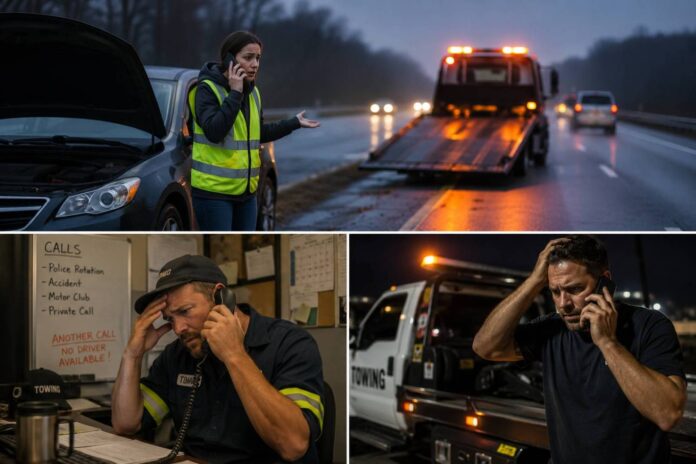
In the towing industry, we know firsthand that every missed call can cost more than just one job. It can hurt customer satisfaction, damage motor club performance scores, impact police rotation opportunities, and affect the reputation your company has worked hard to build.

The reality is that towing never stops. Calls come in at all hours, customers expect fast response times, and towing company owners are constantly balancing dispatching, driver coordination, customer communication, and daily operations. For many companies, after-hours dispatch still falls on the owner, a spouse, a family member, or even drivers trying to answer phones while staying focused on the road. Over time, that becomes exhausting and difficult to sustain.

This is exactly where Holly’s Towing Dispatch comes in.

We want to provide towing companies with a dispatch solution built specifically for the towing and recovery industry — not a generic answering service that doesn’t understand the urgency or workflow of towing operations. At Holly’s Towing Dispatch, our team focuses exclusively on towing dispatch support. We understand police rotation calls, motor club procedures, accident dispatching, escalation protocols, driver communication, and the importance of handling calls quickly and professionally.

Our goal is simple: we want our dispatch team to feel like a true extension of your business.

Whether you operate one truck or manage multiple locations, we believe professional 24/7/365 dispatch support can help protect your revenue, improve consistency, and reduce the stress that comes with nonstop phone coverage. Some companies use us for overnight dispatching, while others rely on us for overflow support during busy periods, weekends, staffing shortages, or backup coverage when internal dispatchers need time off.

Every towing or roadside company operates differently, which is why we work closely with clients to customize call handling procedures, service areas, driver assignments, escalation instructions, and customer communication preferences. We don’t believe towing companies should have to adapt to a dispatch service — the dispatch service should adapt to the towing company.

One of the biggest benefits our clients tell us about is finally being able to step away from the phone without worrying that calls are being missed or mishandled. In an industry known for burnout, interrupted sleep, and constant pressure, having dependable dispatch support can make a major difference not only for operations, but for quality of life.

When towing companies partner with Holly’s Towing Dispatch, they often experience:

  • Fewer missed calls and missed revenue opportunities
  • Better customer service and faster response coordination
  • Professional handling of police and motor club calls
  • Improved communication between dispatch and drivers
  • Reduced owner stress and dispatcher burnout
  • Greater operational stability during nights, weekends, and peak periods

We also understand that switching to outsourced dispatch support can feel like a big decision. That’s why we offer every new client a free two-week trial. We want towing company owners to experience firsthand how dedicated dispatch support can improve workflow, reduce interruptions, and help capture more opportunities without adding more in-house staffing.

If your company is struggling with missed after-hours calls, nonstop interruptions, or the pressure of always having to answer the phone yourself, now may be the right time to explore a dispatch solution designed specifically for towing.

At Holly’s Towing Dispatch, we’re committed to helping towing companies stay responsive, protect revenue, and operate with confidence — 24 hours a day, 365 days a year.

Try Holly’s Towing Dispatch FREE FOR TWO WEEKS. Call 1-800-730-3909 and see how professional 24/7 dispatch support can help your company capture more calls, reduce stress, and never miss another opportunity after hours.

The Ghost in the Ledger: The True Cost of an Idle Truck

By: Mr. Industry

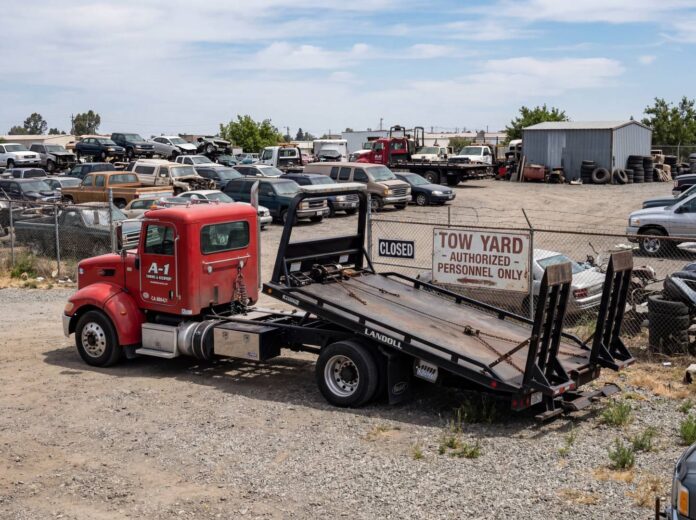
In this business, we love the sound of a diesel engine cranking over. To a veteran tower, that rhythmic thrum isn’t just noise, it’s the heartbeat of profit. It’s the sound of a billable mile, the sound of a successful recovery, and the sound of a business that is alive. However, what about the trucks that aren’t making noise? Walk out into your yard right now. Look at that rollback or that heavy-duty wrecker sitting in the corner, cold and silent. Most owners look at a parked truck and find a way to sleep at night by saying, “Well, at least I’m not burning $5-a-gallon diesel today. At least I’m not wearing down a $600 tire or putting miles on the engine.” That thought is a lie. It’s a lie that is costing you a fortune. When a truck sits, it isn’t “free.” It is a ghost on your ledger, quietly and relentlessly eating away at your company’s lifeblood. If you want to stop the bleed and start the lead, you must stop thinking like a driver and start thinking like an actuary.

You must understand the brutal reality of Ownership Cost vs. Operating Cost.

The Invisible Overhead: The Tax on Silence; The towing world believes that expenses only happen when the wheels are turning. In reality, a truck is a financial vampire that sucks money out of your bank account 24 hours a day, 365 days a year.

The Insurance Drain: Your insurance premium is a fixed monster. Whether that truck does 50 calls a day or zero calls a month, the bill from the carrier remains the same. If you’re paying

$12,000 a year to insure a unit, that truck is costing you $32.87 every single day just to exist. When it sits, that thirty bucks is a pure loss. Over a week of idling, you’ve just handed the insurance company $230 for the pleasure of looking at your own equipment.

The Depreciation Trap: Iron doesn’t hold its value like gold. The moment you took delivery of that truck, the clock started ticking. Depreciation is the silent killer of net worth. A truck loses value based on two things: wear-and-tear (miles) and age. Even with zero miles, the market value of that truck drops every time a new model year is released. You are losing equity in a stationary asset. You’re essentially watching a pile of cash slowly evaporate in your parking lot.

Permits, Licensing, and the “Right to Exist”: Taxes, heavy highway use permits, registration, and inspections. Divide those annual costs by the number of days in a year. That is your daily “tax” for the right to let that truck sit idle. In some states, that daily cost is higher than a steak dinner. Are you okay with buying a steak dinner for a piece of machinery that isn’t working for you?

Opportunity Cost: The Thief in the Night.

In business school, they call it “Opportunity Cost.” In the towing yard, we call it “The Thief.” The most dangerous cost to your business isn’t the money you spend; it’s the money you fail to

make. Every hour a truck sits is an hour that it isn’t solving a customer’s problem. Let’s look at the math, because the math doesn’t have feelings:

  • Average Revenue Per Unit: Let’s say your target is $1,200 in gross revenue per day per
  • The 5-Day Slump: If that truck sits for just five days a month because you “don’t have the right driver” or “things are slow,” you haven’t saved on fuel.
  • The Real Loss: You have lost $6,000 in top-line

 That $6,000 could have covered your shop rent, paid for a massive marketing push, or gone straight into your retirement fund. Instead, it’s gone. You can’t get those hours back. You can’t “double up” next month to recover it. It is a permanent hole in your history. Furthermore, an idle truck creates a “Service Gap.” Whenever a regular motor club or a local police precinct calls, you have to say “no” because your truck is unstaffed or sitting idle. They don’t wait for you. They call your competitor. An idle truck today often leads to a lost contract tomorrow.

The Stagnation Tax: Why “Resting” is Rotting; There is a physical cost to silence, too. Trucks are biological in their need for movement. They are engineered to be under load, to have hot oil circulating, and to have air moving through the systems. I’ve spent years in shops, and I’ll tell you the truth: A truck that sits is a truck that breaks.

  • Seals and Gaskets: When they don’t get lubricated by moving fluid, they dry out, shrink, and crack.
  • The Electrical Gremlins: Batteries drain, and modern ECU systems don’t like low-voltage environments.
  • The Air System: Moisture settles in the tanks and lines when the compressor isn’t cycling regularly, leading to rust and valve failure.

I’ve seen more “parked” trucks end up in the shop for $3,000 “random” repairs than trucks that are running 12 hours a day. When you finally start that “backup” unit for a big job, that’s when the air bags leak or the turbo sticks. Stagnation is a tax you pay in the form of a tow-bill for your own truck.

The Mr. Industry Truth Bomb: Here it is, plain and simple: If you have a truck that sits idle more than 30% of the month, you don’t have an “extra” truck, you have a liability. You are paying to house a ghost. You are keeping a piece of iron on life support that isn’t providing any value to the family or the employees who depend on you. Owners love to say, “I keep it as a spare in case one breaks down.”

 The Truth: You’d be better off selling the spare, taking that $80,000 or $150,000 in cash, and putting it into a high-yield account or upgrading your primary units so they don’t break down.

The Fix: Stop looking at your fleet as “backups” or “potentials.” To be a professional in this game, every unit must have a Mission and a Minimum Revenue Target.

  1. Set a Daily Floor: Every truck in your yard should have a “Nut” it needs to crack every day. Know exactly how much that truck needs to earn just to break even on its
  2. The 90-Day Rule: If a truck hasn’t hit its revenue target for three months straight, it’s time for a hard Does it need a better driver? Does it need a different shift? Or does it need a “For Sale” sign?
  3. Capital Reinvestment: Move the iron. If a truck is costing you more in “Invisible Overhead” than it’s bringing in, sell it. Use that money to pay off debt, buy better gear for your active drivers (maybe some roadside high-vis gear that keeps them safe), or invest in

Next time you walk past a quiet truck in your yard at 10:00 AM, don’t see “reserve capacity.” See a hole in your pocket. Hear your hard-earned money leaking out of the exhaust pipe that isn’t even hot.

Under the Hood: Call to Action

Have a leak you can’t plug? If you’ve got a problem in your shop, a drain on your profits, or an industry “wreck” that needs to be hauled out into the light, Mr. Industry wants to hear from you.

Submit your questions for a future column to: john@roadsider.io

 For more on the intersection of recovery and the law, tune into the Hook and Gavel podcast, sponsored by Roadsider, available wherever you get your pods.

 I’m Mr. Industry, and I’m here to make sure you’re running a business, not a museum.

Can you handle the truth?

Have You Ever Thought about Quitting?

I heard a story this week that surprised me.  That person was describing what happened to someone that was about to leave our industry.   I started reflecting about what keeps people building, moving toward a goal and motivated to complete it when everything seems to point to an easier solution – quitting!   I remembered years back that I had taught a class about quitting. Sometimes it makes someone think about changes that need to be made so a person doesn’t quit.

During my conversation with that friend, I wondered why this person decided to quit. According to www.thebalancemoney.com, “People quit their jobs for a variety of reasons.”  They noted that it could be due to hiring a bad manager, creating a toxic work environment, salary issues or even personal responsibilities that could prompt someone to quit.  Those types of people could be looking for the reason to quit but just needed something or someone that they can point to before they do quit.

I’ll take it one step further.  It could be a serious health issue too.  Personally, I’ve felt that way lately because not only do I have Guillain-Barre, (an immune syndrome caused by flu, Covid, vaccines or surgeries – I’ve had all of those) However, it has now morphed into CIDP, the ugly stepsister to GBS.  I must admit that this recent diagnosis crushed me because my future is bleak with CIDP.   Without question, it is.  However, I know that God has my life and health in HIS hands.  I must do my part to keep my thoughts away from quitting because I don’t want a seat on the quitting fence.  I can remember what people said before the CIDP diagnosis that I had the right attitude to keep going….no matter what. So, I’ll keep going no matter what I’ve been dealt.

What makes people quit something they supposedly wanted?  Was it because they didn’t have a workable business plan, enough monetary funding, they’re tired or didn’t hire the right people?  Here’s some answers.

Establish an Inner Circle

Speaking of people/employees, identify all those employees that can help you achieve your business plan and make them part of your inner circle.  Subdivide your structural needs for the business as if you’re doing a reconstruction of it, and then distribute some of what you’re responsible for to the inner circle employees you’ve selected.  This might help relieve some of your initial frustration and responsibilities that make you want to throw in the towel.

Social Media Posts

While you’re dividing your personal responsibilities, maybe a person within your company already has the marketing skills to boost your reviews on social media.  Get them to start making social media posts.  Social media posts can produce positive reviews too.  That is important because a person who can market and generate positive reviews could help you with marketing.  Always add a short tagline about what you do to every social media post that’s made. If others are posting besides one person, then ask them to add the tagline every time something is posted. Posting on a consistent basis will build trust and loyalty among not only existing customers but with prospective customers too.  Don’t think for a minute that you can’t invest in something major like marketing.  Anything done right with marketing is not an expense but rather an investment in your business.

Seeking Advice from Successful People within the Industry

Okay, now that we’ve discussed delegating some of your tasks to others within your established business, you should feel relieved of some pressure.  Don’t think for a minute that you’ll be able to quit now and restart later.  It’s harder to restart a business after you’ve already given up once.  Ask someone who did, and they’ll tell you it’s hard.  Try this idea instead.

Best Practices of Successful and Seasoned People within the Industry

When you’re at the next trade convention walk over to a successful business owner and drum up a conversation with them.  If you don’t already know then, introduce yourself.  After you have their undivided attention, ask some questions.  Your job is to find out their best practices and what they did to change things.  Most of them have been where you are at some point in their business career, and they would love to advise someone else whose sitting on the fence. All of these questions could be asked during the conversation.

  1. Ask them if they ever wanted to quit the business?  What changed their mind if they didn’t.
  2. Was it one thing or multiple changes that made a difference?
  3. What practice did they add or change?
  4. After they implemented their changes, were tweaks made later?

This reminds me of a time when a certain businessman was thinking about quitting.  They had been in business for a while, but the clientele had changed.  People weren’t dropping by as frequently as they once did.  So, the businessman and his wife thought about it for a while and decided to work on painting the entire sales reception area as fast as they could until it had been repainted. The transition took some time because they did it after hours and over the weekend.

It wasn’t long before all the employees invested their personal time to get involved. They decided they would help paint the exterior too. Those employees got their children to help paint, all ages above 15, that could use a paintbrush or a roller, and they started painting the exterior.  It wasn’t long before the employees were rejuvenated about working there because the old place looked brand new.  New flowers were planted where the old, weary bushes used to be.  Weeds were pulled, and grass and trees were trimmed.  They had transformed the broken-down business into a place where they enjoyed working, and in turn, transformed themselves too.

The employees loved the new look and so did the owners, and all because of the new comradery.  The owners decided not to quit after all and began working on other things that could transform their business.  The process of quitting had stopped, and they wanted to do whatever was needed to stay in business.

As I mentioned, a very long time ago, I did a class on quitting.  When I asked the group for a show of hands of those attendees that felt they wanted to quit at some point, every hand was raised.  Quite enlightening, wouldn’t you say?

So, if you have thought about quitting, you’re normal.  If you need some advice, give me a call at 770-301-4122.  I don’t mind listening.

I’ll see you on the next podcast.

The Orange Standard: Leadership, Legacy, and Letting the Day Unfold

In the heart of Central Oregon, where mountains frame the horizon and winters test resolve, there is a fleet of unmistakable orange trucks that signal something more than roadside assistance. They signal history, grit, and a family legacy built on service. At the helm of that fleet stands Lori Anton, General Manager of Consolidated Towing, Inc., a woman whose story is stitched together with journalism, jewelry counters, HD recoveries, and unwavering resolve.

Lori has been in the towing industry since May of 1993, when she returned home to Bend OR to join the family business founded by her parents. Consolidated Towing, formerly Central Oregon Towing, was founded in 1988 when Lori’s parents, Mike and Joanne Wildman, purchased the company and rebranded it. The trucks were repainted orange for visibility and safety, but over time, the color evolved into something more symbolic. Orange became identity. Orange became standard. Orange became culture. Consolidated Towing quickly became known as “Central Oregon’s Most Recognized Orange Fleet.” They started with what Lori affectionately describes as “three and a half trucks.” Three operational units and one dedicated to parts. Today, the fleet has grown to more than 25 trucks and trailers, supported by late model equipment and a philosophy of working smarter rather than harder.

I have known Mike Wildman for more than 15 years and have had the privilege of working alongside him at industry association events and committees. Family is the subject he speaks about most often, and it is clear that his leadership was rooted in that priority. Watching Lori today, you can see the understanding that business success means little without strong family values behind it.

Consolidated was built on customer service, no matter who the customer was or is. Over the years, their team worked tirelessly with law enforcement, local dealerships, and fleets to cement their name in the community.

Consolidated’s growth accelerated in 1992 when the company became a AAA contractor. For nearly three decades, they serviced motor club calls before making the bold decision in 2021 to step away from that segment of the business. It was a pivotal moment. By walking away from AAA, they reclaimed control and refocused entirely on direct customer service, strengthening relationships with law enforcement, dealerships, and local fleets.

From Journalism to Jackknifed Recoveries

Lori’s path into towing was anything but linear. A graduate of Bend High School, she earned a degree in Journalism and Political Science from the University of Oregon. Before joining Consolidated, she spent eight years in retail with Zales Jewelers, working in Bend, Yakima, San Jose, and Salem. After experiencing multiple robberies, including one armed incident, she left California and eventually returned home when Zales filed for bankruptcy.

The transition from jewelry to towing was not seamless. Entering a male dominated industry required immediate credibility. Lori’s solution was straightforward. She learned to tow. She joined heavy duty calls, pulled wire rope, dragged chains, and made certain she understood field operations firsthand. Her philosophy was clear: never ask your team to do something you have not done yourself. That authority earned respect from drivers and customers alike. It also shaped her leadership style. Direct. Grounded. Unafraid to get dirty.

Ironically, her journalism degree found new life years later when she began writing and producing the company’s monthly newsletter, “A Slice of Orange.”

Family, Fortitude, and the 24 Hour Life

Consolidated Towing has always been a family operation in the truest sense. Lori hired her future husband, Keith, as a driver after her divorce. He relocated from the Bay Area to Bend, and three years later they were married. Their children grew up in the yard and office, cleaning auction cars and learning firsthand what hard work means.

Two of their children received scholarships from the Washington Tow Truck Association, as did two of Lori’s nieces. It is a point of pride for her that the industry supports its own.

Balancing business and motherhood required creativity and sacrifice. Winter days often ended with dealerships dropping off stacks of keys late in the afternoon with a deadline of morning completion. Her children sometimes woke to notes that read, “We have a truck wreck. Not sure when we’ll be home.” Yet dinner, when possible, was sacred. Even if late, they gathered around the table to share the best and worst parts of their day.

Her mantra, borrowed from Dr. Laura Schlessinger, guides both life and work: “Let the day unfold.” Now an empty nester, Lori and Keith remain deeply hands on in daily operations. They manage the storage yard and accounting, though Lori has begun easing into retirement by arriving later in the mornings. Her current pursuits include learning the ukulele, baking, hiking Oregon’s mountains and lakes, and traveling to Hawaii where phones are intentionally silenced.

A new chapter opened in December 2024 with the birth of her first granddaughter in California. That role, she admits, brings a new kind of urgency to travel plans.

Industry Leadership and Advocacy

Lori has been a member of the Washington Tow Truck Association for more than 30 years and served five years on its nominating committee. She also served as Treasurer of the Oregon Tow Truck Association in the 1990s. Consolidated continues to actively support both state and national associations.

Her advice is practical. Stand behind your principles. Do not be a pushover. If confrontation is required and you are not wired for it, align yourself with someone who is. Support them. Strengthen your team.

Lori’s counsel to newcomers is unvarnished. Towing is not for the faint of heart. Understand what the job requires. Learn as much as possible, as quickly as possible. Take classes. Do ride alongs. Study. Ask questions. If it is not for you, step away before burnout sets in. But regardless of where you land, speak honestly about the skill and commitment the profession demands.

Community Impact and the Orange Culture

One of Lori’s most rewarding achievements has been reshaping public perception of towing in her community. Clean trucks. Uniformed drivers. No “old dirt” on Consolidated equipment. The company sponsors youth sports, FFA, 4 H, and local events. When her children were younger, their teams wore orange jerseys, sometimes to their embarrassment.

The standard is simple but demanding. Hire the best candidate, not just a warm body. Hold out for excellence. Protect the brand. Protect the culture.

That culture is summed up in two words: Team Orange.

Looking Ahead

Over the next five years, Lori’s goals are both strategic and personal. She is documenting processes, banking details, passwords, and operational systems in what she calls her “In Case You Get Hit By a Bus” plan. She wants to leave Consolidated positioned for continued success, equipped with the right tools and balanced between technology and customer service.

For Lori, success is not measured in revenue columns. It is measured in health, memories, family, and the ability to read a good book at sunset while water ripples across the backyard pond.

And if you doubt her capabilities in towing? Her answer is immediate.

“That sounds like a challenge. Bring it on.”

Building Growth with Intention: Hannah Roane and the Strategic Evolution of Valor Fleet Services

By Michelle Sukow

The towing industry is changing. Growth, consolidation, and modernization are reshaping how companies operate, and women are increasingly stepping into leadership roles that influence not just culture, but strategy, systems, and sustainability.

Hannah Roane is one of those leaders.

As Director of Strategic Operations at Valor Fleet Services, Roane oversees Marketing, Sales, and Human Resources across a growing portfolio of towing companies. Her role is deeply rooted in integration, ensuring that growth happens intentionally, with people and processes aligned at every level.

Raised in the Industry

Roane’s connection to towing began early. Her father founded Road Runner Wrecker Service in 1992, and by the time she was 13, she was already helping in the office and yard. “I didn’t want to at first,” she says. “But my dad instilled work ethic and discipline very early on.” What started as answering phones and cleaning the yard became dispatch work during school breaks and a steady immersion into the realities of the business. That early exposure shaped not only her understanding of operations, but her respect for the people who keep towing companies running every day.

After earning a business degree from Virginia Tech, Roane returned to Road Runner full-time, determined to learn the business from the inside out.

Building Knowledge, One Role at a Time

Roane began as an Administrative Coordinator, gaining hands-on experience in billing, back-office operations, and organizational structure. As the company expanded, she identified a growing need for Human Resources support and stepped in to build the department.

For roughly a year, she handled recruiting, onboarding, and employee relations. From there, she moved into Marketing and Sales, working on government contracts, commercial accounts, and long-term client relationships. She later spent time in business analytics, strengthening her ability to support decision-making with data.

Each role added depth to her leadership, reinforcing the idea that no department operates in isolation.

Today, she brings that perspective to a much broader stage.

Growth Through Integration

In 2023, Road Runner partnered with Henry’s Wrecker Service, a milestone that helped shape what would become Valor Fleet Services. Roane played a key role in integrating the companies, from vendor consolidation to dispatch system alignment and leadership collaboration.

“That’s when I realized how much I enjoyed working at a high level and helping companies grow together,” she explains.

Since then, Valor Fleet Services has expanded to include Road Runner Wrecker Service, Henry’s Wrecker Service, Windsor Towing, Al’s Towing & Storage, and Aaron’s Towing. What began with roughly 50 employees has grown into a network of approximately 300 team members.

Much of Roane’s day is spent working with new company owners and leadership teams, streamlining processes, reducing administrative burden, and elevating operations to Valor’s standards while respecting what makes each company unique.

Navigating a Male-Dominated Industry

When asked about challenges as a woman in towing, Roane offers a perspective rooted in realism rather than labels.

“You have to work hard in this industry,” she says. “I don’t let the fact that it’s male-dominated change how I work.”

She believes focusing on differences can sometimes create unnecessary barriers. Instead, she emphasizes professionalism, consistency, and results.

“Most people are good people who want to do a good job,” she adds.

Balance, Grace, and Reality

Roane is candid about the difficulty of balancing leadership with personal life.

“It will never be perfect,” she says. “You stay late and miss time at home. You leave early and miss something at work.”

Her approach is grounded in organization and self-awareness, paired with the willingness to give herself grace. She credits her husband and family as a strong support system and values the pro-family culture fostered across Valor Fleet Services.

Leadership Through Strengths

One of Roane’s defining leadership traits is knowing where she adds the most value and where others are better equipped.

“There are things my team does that I cannot do,” she says. “That’s why I surround myself with the best.”

That philosophy has helped Valor move away from single points of failure and toward stronger redundancies and collaboration, allowing teams to operate with greater confidence and stability.

Looking Forward

Roane sees the towing industry at a critical point of opportunity.

“This is the perfect time to join the industry,” she says. “We’re at an inflection point of growth.”

Having already met many of her personal five-year goals, she is now focused on continued growth, both for herself and for Valor Fleet Services.

Her definition of success remains simple and grounded: enjoying the work and maintaining a happy, healthy family.

And when challenges arise, she lives by two rules that continue to guide her leadership:

Don’t sweat the small stuff.
It’s all small stuff.

For women entering or advancing in the towing industry, Hannah Roane’s journey is a reminder that leadership is not about fitting a mold, but about showing up consistently, building strong teams, and growing with intention.

The Near Future of the Towing Industry

The biggest transformation already underway is the digitization of dispatch and operations. Historically, towing companies relied on phones, radios, and human memory to manage fleets. That model is rapidly being replaced by cloud dispatch platforms, GPS fleet tracking, and automated call routing. Modern systems allow dispatchers to instantly see:

  • Truck location and availability
  • Estimated arrival times
  • Equipment capabilities
  • Traffic conditions

Instead of guessing who is closest to a scene, software can automatically dispatch the nearest qualified truck and provide real-time updates. GPS-based Automatic Vehicle Location (AVL) systems already allow dispatch centers to track and deploy trucks more efficiently. Machine learning systems are also beginning to analyze past incidents and traffic patterns to pre-position tow trucks in high-probability crash zones, reducing response times and congestion. In the extremely near future, the industry will increase on data instead of instinct. Companies that still rely on manual dispatch systems will find themselves at a competitive disadvantage when competing for contracts with police agencies, insurance companies, and highway authorities. The towing business is expanding beyond towing. Motorists increasingly want immediate roadside solutions, not just transport to a repair shop. This has created a surge in mobile services such as:

  • Mobile battery replacement
  • Tire changes
  • Lockout services
  • Fuel delivery
  • Minor mechanical repairs

These services solve problems without requiring a tow, which is often faster and cheaper for consumers. This shift is changing how roadside fleets are built. Many companies now operate:

  • Tow trucks
  • Service vans
  • Mobile repair units

The future towing company will look more like a mobile automotive service provider than just a transport operator. Electric vehicles are already forcing significant operational changes. EVs introduced new challenges that traditional towing companies did not have to consider:

  • High-voltage battery systems
  • Specialized lifting points
  • Regenerative braking systems
  • Manufacturer towing restrictions

Many EVs must be transported on flatbeds to prevent drivetrain damage, and operators require specialized training and procedures to handle them safely. As EV adoption accelerates, towing companies will need:

  • EV-specific recovery training
  • Specialized equipment
  • Flatbed and low-angle loading systems

Companies that invest early in EV capability will have a major advantage, because demand for EV-capable tow providers is expected to increase significantly. At the same time, the towing fleets themselves are beginning to electrify. Electric tow trucks are emerging as a lower-emission alternative to diesel units. One of the most powerful forces shaping the future of towing is roadway safety policy. Tow operators work in one of the most dangerous environments in transportation. Increasingly, government agencies are recognizing towing as a critical component of traffic incident management. The next decade will see:

  • More standardized training programs
  • Stronger “Move Over” enforcement
  • Greater coordination between police, DOT, and towing companies
  • Increased emphasis on rapid incident clearance

Quick clearance programs aim to remove disabled vehicles and wrecks as quickly as possible to prevent secondary crashes and congestion. As traffic volumes increase and cities become more crowded, towing companies will play an even more significant role in maintaining traffic flow and public safety. Another major shift is the corporate evolution of the towing industry. For decades, the industry consisted primarily of small family-run businesses. While many of those businesses remain strong, the industry is now seeing:

  • Private equity investment
  • Regional towing networks
  • Multi-location towing companies
  • Enterprise-level fleet management

Insurance companies and motor clubs are also pushing providers toward higher levels of accountability and reporting. New contracts increasingly require:

  • Digital dispatch integration
  • GPS verification
  • Performance reporting
  • Response time metrics

This is pushing the industry toward professional management structures like logistics companies.

Vehicle size and complexity are increasing across the transportation sector. More delivery trucks, commercial fleets, and heavy vehicles on the road means growing demand for heavy-duty recovery capability. Industry forecasts expect increasing investment in:

  • Rotator wreckers
  • Advanced winching systems
  • High-capacity recovery equipment
  • Specialized heavy-duty towing units

Market projections show the global tow truck sector continuing to expand through 2030 as vehicle fleets grow and urban congestion increases. Companies that can handle complex recoveries will command higher revenue and contract opportunities. The towing industry is no longer just about trucks and chains. It is becoming a technology-enabled transportation service that combines:

  • digital dispatch
  • mobile roadside services
  • advanced recovery equipment
  • EV expertise
  • data-driven operations

At the same time, the market itself continues to grow as vehicle ownership, traffic congestion, and roadside service demand increase worldwide. The companies that embrace these changes will lead the next generation of the towing industry. Those that resist them may find themselves struggling to compete in a business that is quickly becoming faster, smarter, and far more technologically advanced. If you want, I can also help you add one powerful “future prediction” section to your article, something like “What the towing industry will look like in 2035.”

Looking forward to another decade, the towing industry is likely to look quite different from the one many operators entered years ago. While the core mission will remain the same, helping motorists and clearing disabled vehicles from roadways, the tools, technology, and expectations surrounding that mission will evolve dramatically. The towing company of 2035 will operate in a far more connected, automated, and professional environment than most fleets operate today. One of the most significant changes will come from connected vehicles. Many modern cars already have built-in telematics systems that automatically notify manufacturers or roadside assistance services when a crash occurs. By 2035, this capability will become universal.

When a vehicle breaks down or is involved in a collision, the car itself may automatically send its location, diagnostic information, and severity data to a dispatch center. Artificial intelligence systems will instantly determine what type of assistance is needed and assign the nearest qualified tow provider. Instead of a motorist calling a dispatcher and explaining the situation, the process will happen automatically in seconds. Tow operators may receive assignments that already include detailed vehicle diagnostics, allowing them to arrive with the proper equipment before even seeing the vehicle.

This level of integration will dramatically reduce response times and eliminate much of the confusion that currently occurs during roadside calls. Artificial intelligence will also begin to play a larger role in managing towing fleets. Dispatch systems will increasingly use predictive analytics to determine where trucks should be positioned before incidents even occur. Traffic data, weather conditions, historical crash patterns, and real-time congestion monitoring will allow systems to predict where incidents are most likely to happen. Tow trucks may be strategically staged throughout a city or highway system to shorten response times. Instead of reacting to calls, towing operations may begin to operate more like emergency response networks—always positioned and ready for the next incident. This shift will significantly improve traffic clearance and could dramatically reduce secondary crashes caused by congestion around accident scenes.

The rise of electric vehicles will continue reshaping towing operations. By 2035, a sizable portion of the vehicles on the road will be electric or hybrid. Electric vehicles bring new challenges for recovery operators. High-voltage battery systems require careful handling, and some vehicles cannot be towed using traditional methods without damaging their drivetrains. As EV adoption grows, towing companies will need specialized training and equipment designed specifically for these vehicles. At the same time, autonomous vehicle technology is expected to mature. Self-driving cars may become more common in commercial fleets, delivery vehicles, and ride-share services. Even autonomous vehicles will still break down or be involved in crashes. But when they do, the recovery process may be different. The vehicle itself may transmit precise instructions for safe towing, including lifting points, battery isolation procedures, and drivetrain protection requirements. Tow operators will increasingly need to understand advanced vehicle electronics, not just mechanical systems.

Safety will remain one of the most critical issues facing the towing industry, and future equipment will reflect that priority.

Tow trucks are already becoming more sophisticated, but the next generation of recovery vehicles may include features such as:

  • Remote-controlled recovery systems
  • Advanced stabilization technology
  • Integrated camera and drone support for scene assessment
  • Automated winching systems
  • Smart lighting systems that improve roadside visibility

These technologies will allow operators to perform recoveries from safer positions and reduce the time they spend exposing to passing traffic. The goal will be simple: clear incidents faster while keeping operators farther away from danger. Another major shift will be the continued professionalization of the towing business. The industry is already moving toward larger regional companies and integrated service networks. By 2035, this trend may accelerate significantly.

Fleet management platforms will allow companies to monitor every truck, every driver, and every call in real time. Response times, driver performance, fuel efficiency, and recovery metrics will all be tracked and analyzed.

Insurance companies, motor clubs, and transportation agencies will require this level of reporting. Contracts will be awarded not just on price, but on performance data. Many towing companies will operate more like logistics providers—using technology to manage fleets, analyze operations, and optimize performance.

The future towing company may spend less time towing and more time solving problems on the roadside. Mobile service units capable of performing quick mechanical repairs, battery replacements, and diagnostic services will become more common. With modern vehicles capable of transmitting diagnostic codes remotely, operators may arrive already knowing what the problem is. In many cases, the vehicle may be repaired on the roadside rather than towed to a repair facility. This shift will change how fleets are structured. Many companies may operate a combination of tow trucks, service vans, and specialized response vehicles designed for specific types of assistance.

Despite all these technological advances, one thing will not change: the importance of the tow operators. Technology can help dispatch a truck faster or provide better information, but it cannot replace the judgment, skill, and experience required to manage a chaotic crash scene or safely recover a damaged vehicle. Tow operators will still be the professionals standing on the roadside in difficult conditions, helping people in stressful situations, and restoring order to traffic incidents. The difference is that future operators will be supported by better tools, better information, and safer equipment. The towing industry has always been built on resilience. Operators have adapted to changing vehicles, changing highways, and changing demands from motorists and public agencies.

The coming decade will bring some of the most significant changes the industry has ever seen. Digital dispatch systems, connected vehicles, electric drivetrains, and advanced recovery technology will reshape how towing services are delivered. For companies willing to invest in new tools, training, and systems, the future holds tremendous opportunity. For those unwilling to adapt, the pace of change may prove difficult to keep up with. By 2035, the towing industry will look more technologically advanced, more coordinated with transportation agencies, and more professionally managed than ever before. But at its core, it will still be about the same thing it has always been about: showing up when people need help and getting the road moving again.

Show Season is upon Us

Who would have thought we would already be through the 1st quarter as this issue hits the scene. However, here we are! The PWOF Florida Tow Show is behind us, the show that seems to kick off the year. We enjoyed seeing our friends and owners in the industry that receive the magazine. We also attended the NARS show that same week and had an opportunity to see the format of the repossession shows and the amount of business and education that can be gleamed from attending. NARS was a great show that is worth the look next year, for anyone dealing with repossession and looking to find the tools and education to take the next step in growing your business!

DJ Harrington, in “Fuel for Thought,” always brings us information to process that will lead us to being the best steward of our business and employees. John Borowski’s “Under the Hood,” is all about the future of our industry, and keys to your success in your business. Michelle Sukow has another wonderful story, featuring Hannah Roane, a spotlight on another wonderful ” Woman of Towing.” You will enjoy reading this story about Hannah Roane!

Also in this issue, we look at the importance of using cameras for every Tow Professional. We have included information from companies, such as: Azugua, Autura, and Worldwide Equipment so you can be well-informed when this equipment is added to your business. Zips and Clore brings us solutions and the key products you need in your toolbox when it comes to performing jump-starts successfully every time.
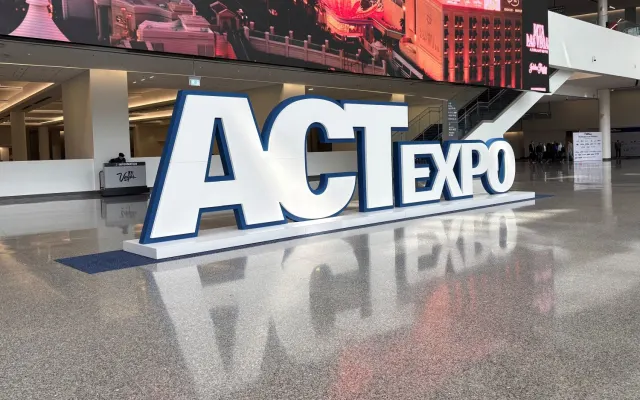
Don’t forget to make sure you add Mid Atlantic Tow Expo Sept 11-12th in Raliegh, NC and the greatest family show Midwest Regional Tow Show Sept 24th-26th. Make sure you add these to your calendar. The top products, service providers, and training can be had at both shows and will be events that you don’t want to miss!

As always, we thank every one of our readers and vendors, but most of all pray your business continues to grow and flourish for you and your families!

Zips Jump Packs

Restart all types of customer vehicles with one jump pack from Zip’s AW Direct.

Dual voltage jump packs do more than get your customers back on the road or back to work. In addition to customer satisfaction and company reputation, they preserve profits, performance and safety.

The tools tow companies rely on every day directly impact response time, safety, customer service and profitability. Few pieces of equipment illustrate this better than the shift toward 12/24-volt jump packs. What was once considered a specialty tool has quickly become a standard for busy operators on the go.

Versatility is everything. On any given workday, you can be faced with a variety of situations that can be handled with a single jump pack like the Goodall Jump Pack 12/24V Jump Starter or the Jump-N-Carry 3400 12/24 Jump Starter. These multi-purpose packs can breathe new life into stranded cars in an airport parking lot, a truck which left its lights on all night or a delivery van that won’t start in the morning.

Owning separate jump starters for each scenario slows operators down and wastes valuable truck space. Instead of second-guessing which unit to grab, technicians can rely on one piece of equipment to handle nearly every jump-start situation. That speed and efficiency matters—not just for customer satisfaction and your company’s reputation, but for safety and profitability. Get that wrecker or roadside service vehicle moving onto the next call quickly, earning a dollar.

Training is another area where any towing operation can see immediate benefits from a dual-voltage unit. High turnover, seasonal hiring and expanding teams all create a constant need to onboard new personnel. The more complicated your equipment lineup, the longer it takes to get new operators up to speed and, with it, the greater the chance for mistakes.

Standardizing a 12/24-volt jump pack simplifies that process. Instead of training employees on multiple devices with different procedures, teams can focus on one consistent workflow: proper connection, correct voltage selection and safe operation. Along with built-in safeguards, this consistency reduces errors, builds confidence among newer operators and ensures that even less experienced staff can perform jump starts safely and effectively.

A single dual-voltage unit also frees up space on a truck or shop vehicle by combining functionality in one convenient unit. Over time, that consolidation translates into lower costs and fewer logistical headaches. It also helps unify equipment across the fleet, making it easier to manage inventory and ensure every vehicle is properly equipped.

Ultimately, responding to unpredictable roadside calls needs to have the right tool for the job. Don’t leave the shop without a 12/24-volt jump pack from Zip’s AW Direct. Be ready for any battery call with the new standard in remote jump starts.

Visit Zips.com and click on the ‘Battery Service’ department for a complete list of 12/24-volt options. No matter which one you choose, these all-in-one units deliver flexibility to handle anything from a passenger car to a Class 8 truck. This upgrade will simplify training across your workforce and streamline how equipment is stored and maintained.

Zips Industry News

TireJect keeps your trucks and customers rolling.

Maximize efficiency with TireJect. Instead of towing vehicles, offer an on-site service that gets customers moving instantly. TireJect’s liquid rubber formula creates a permanent internal seal that lasts for the life of the tire, tackling punctures and bead leaks in seconds. Generate immediate ROI, improve customer satisfaction, and increase road safety with the TireJect Roadside Tech Kit. Keep your fleet available for the next high-value call while providing a premium solution. Order Part # TJ-ROAD-TK-5-6-1 at Zips.com.

Rear picks made possible with the AW Direct U-bolt HD kit

Find everything you need to complete a rear pick on a heavy-duty truck with the AW Direct HD Rear Tow Kit. Designed primarily for trucks with air bag suspensions, this package includes a pair of u-bolt lifting attachments to fit around the truck’s spring saddles. Also included are a pair of Ultimate Axle Chains to secure the drive axles and a pair of tie-down straps to fasten the chassis to the underlift. Lastly, a cam-style steering wheel lock prevents the front wheels from turning while under tow. See below for kit components and individual part numbers. Order Part # AW-HDTK-UB at Zips.com.

Safely remove stubborn driveshaft bolts with the Driveline Breaker Tool

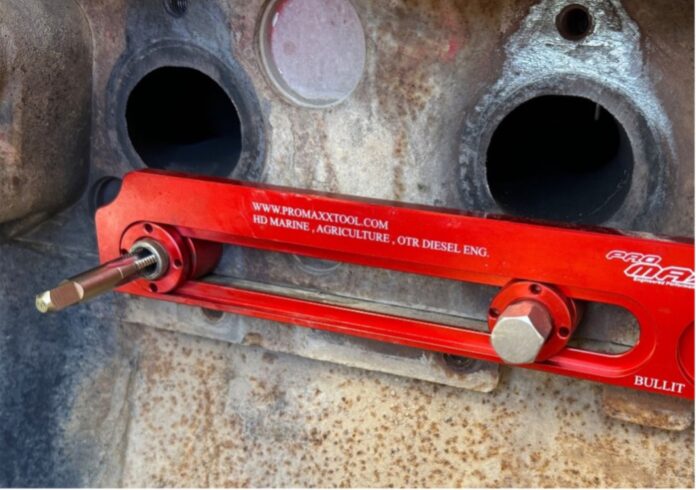
Tired of busted knuckles from slipped wrenches? Check out the ingenuity of the Driveline Breaker Tool from SafeAll. This patent-pending bar is designed to reduce the frustration of removing rusted and hard-to-reach driveshaft bolts on commercial trucks. Available from Zip’s AW Direct, this purpose-built tool features a contoured shaft with two precision-formed bends to provide the right angle and enough leverage to remove those stubborn bolts. At the working end, the tool incorporates dual proprietary shallow sockets, sized at 1/2″ and 12mm, and machined specifically for driveline bolt profiles. Order your bar at Zips.com. Item #: SA-UDLBT.

Add the Whelen Edge 9X light bar to your wrecker or carrier.

The Whelen Edge 9X Towman’s Series light bar is a professional, USA-made warning and scene lighting system designed for towing and recovery operations. Built on the Edge platform with WeCanX technology, the light bar offers customizable, synchronized patterns using high-output DUO Linear LEDs for maximum visibility and safety. Features include integrated brake/tail/turn lights and high-intensity scene lighting. Its heavy-duty construction with hard-coated polycarbonate lenses and an advanced thermal management system resists road damage and ensures consistent output. Available in 59″ and 70″ lengths with versatile color combinations (e.g., Amber/White), its low-profile design reduces wind drag. This light bar is backed by a 5-year LED and 10-year I/O board warranty, making it a durable, all-in-one solution. Order yours at Zips.com. Item # EDGE9X,

NARS 2026 Draws Record Attendance, Raises Over $41,000 for Industry Charity, and Sets the Stage for an Exciting 2027

The North American Repossessors Summit (NARS) 2026 brought together more than 900 professionals from across the recovery industry for three days of education, collaboration, and connection. Centered around this year’s theme, “Stronger Together: Bridging Gaps, Elevating Standards,” the event delivered a dynamic agenda designed to foster transparency, innovation, and leadership within the industry.

Attendees participated in general sessions, breakout discussions, and hands-on training covering key topics such as invoicing transparency, compliance, leadership development, marketing and credit union partnerships, and legal considerations in video evidence.

Some highlights included an engaging panel discussion, “Let’s Talk Dollars,” which encouraged open dialogue between forwarders, agents, and lenders, as well as in-depth training sessions like “Unlock More Than Cars” and “Repossession Accounting Made Easy.” The live repossession demonstration, industry panels, and educational sessions provided practical, real-world insights, while networking events throughout the week strengthened relationships across all sectors of the industry.

Off-site and social events were equally impactful. The annual golf tournament, hosted at the Waldorf Astoria Golf Course, brought participants together for friendly competition and fundraising. The Opening Cocktail Party, Casino Night Masquerade, and the Universal CityWalk Bash provided memorable opportunities for connection and celebration—including many standout karaoke moments.

Watch a recap of the excitement and fun: https://www.youtube.com/watch?v=LvlCqjNMQ1M

One of the most meaningful outcomes of NARS 2026 was its charitable impact. Through fundraising efforts and attendee generosity, a total of $41,276 was raised for the Recovery Agents Benefit Fund (RABF), a 501(c)(3) organization that supports recovery agents and their families facing financial hardship due to injury, illness, or loss. These funds play a critical role in assisting families with essential expenses, including burial costs during times of unexpected tragedy.

The event also recognized excellence across the industry during the annual Awards Ceremony and Live Auction. Congratulations to the 2026 award winners:

  • Field Agent of the Year: Barry Gibrick – Nationwide Recovery Inc
  • Service Representative of the Year: Dawn Psaromatis – Truly-Wow!
  • Vendor Representative of the Year: Elena Carroll – PAR North America
  • Agency Owner of the Year (East): Nathan Gottshalk – Northwest Repossession LLC
  • Agency Owner of the Year (West): Jason Reed – Nations Recovery Services, Inc.
  • Female in Leadership: Alexandra Sunseri – South Bay Remarketing Services
  • Lender in Leadership: Dion Gage – Exeter Finance
  • Agent in Leadership: Luke McArthur – Northwest Repossession
  • MVP (East): Wendy Sousa – International Recovery Systems
  • MVP (West): Rudy Sandoval – Speedy Recovery Inc.
  • Art Christensen Award: Vaughn Clemmons – Automobile Recovery Bureau
  • Industry Contribution Award: Kevin Armstrong – CURepossession; Brennen Hamilton – Insightt.io

NARS 2026 also featured the presentation of the ARA Medal of Fortitude, honoring Jamie King (International Recovery Systems) and Alfredo Martin (Nationwide Recovery). This distinguished recognition is awarded to recovery professionals who, while lawfully performing their duties, have sustained life-threatening injuries as the result of a violent criminal act. It honors extraordinary courage under attack, the will to survive against grave danger, and the strength to continue forward after profound adversity—recognizing not just survival, but the character and resilience that define this profession.

View photos from NARS 2026:

https://krphotography52.pixieset.com/americanrecoveryassociation-1/

https://krphotography52.pixieset.com/americanrecoveryassociation-2/

https://krphotography52.pixieset.com/americanrecoveryassociation-3/

Looking ahead, organizers announced that NARS 2027 will take place April 14–16, 2027, at Loews Portofino Bay Hotel in Orlando, Florida, located near Universal Studios and Universal CityWalk. In an exciting addition, the ARA 63rd Annual Convention will be held in the same location on April 13, creating a full week of industry engagement and collaboration.

Enjoy a quick video of what to expect at Loews Portofino Bay Hotel: https://www.youtube.com/watch?v=AifTytGhmWk

With strong attendance, impactful education, meaningful fundraising, and a renewed focus on collaboration, NARS 2026 reinforced its role as a leading event for the repossession industry—and set an exciting tone for the future.

For updates on room block information, agenda announcements, and more, please visit reposummit.com in the coming months.

—-

About the American Recovery Association (ARA):
The American Recovery Association is the world’s largest association dedicated to the advancement and professional development of the recovery and remarketing industry. ARA provides compliance support, education, and advocacy for hundreds of recovery professionals nationwide. ARA is the founder and host of the annual three-day North American Repossessors Summit (NARS) — the largest repossession conference in the industry. For more information, go to repo.org or call (972) 755-4755.

ResQTrack: The Future of Vehicle Recovery and Transport

ResQTrack - The Future of Vehicle Recovery and Transport

ResQTrack represents a paradigm shift in the towing and recovery industry. By utilizing advanced lift technology that interfaces exclusively with a vehicle’s tire surfaces, ResQTrack eliminates the traditional risks associated with moving modern, complex, or high-value vehicles.

  1. Zero-Damage Technology

The primary engineering philosophy of ResQTrack is the total elimination of vehicle damage during transport.

– Tire-Only Contact: Unlike traditional methods, ResQTrack does not touch the vehicle’s body, chassis, or undercarriage.

– No Auxiliary Equipment: Eliminates the need for dollies, go-jacks, or skates, which are frequent sources of accidental damage.

– Zero Kinetic Friction: The design prevents dragging, sliding, or skidding, ensuring the vehicle’s mechanical components remain stress-free.

– Liability Reduction: By avoiding contact with control arms and bumpers, companies can virtually eliminate common damage claims.

  1. Solving the Modern Vehicle Crisis

As automotive technology evolves, traditional towing methods are becoming more difficult or dangerous. ResQTrack is specifically designed for

– Electric & Hybrid Platforms (BEV, HEV, PHEV, FCEV)

– Electronic Transmissions & Brakes

– Zero-Access Recovery (no keys, dead battery, locked transmission)

  1. Unmatched Accessibility

– Low-Clearance Structures

– Tight Spaces

– Sensitive Surfaces

  1. Operational Efficiency & Business Growth

– Labor Efficiency: Single-operator capability

– Enhanced Dealership Partnerships

– Exclusive Service Tier

Streamline your business with the newest technology to hit the towing market. Let ResQTrack lead the way.

Advanced Track Solutions
605-799-3977
sales@advancedtracksolutions.com
advancedtracksolutions.com

Green Mamba: B/A Products Strikes Again with a Next-Level 8-Point Tie-Down Kit

Next-Level 8-Point Tie-Down Kit

A Products’ new Green Mamba webbing brings superior abrasion resistance, high-capacity strength, and high-visibility color to the workhorse of cargo control — the 8-point tie-down system.

In the towing industry, cargo control is not a suggestion — it is the law, and more importantly, it is what stands between a safe transport and a catastrophe on the highway. Whether you are running a light-duty rollback or a heavy-duty recovery rig, the straps and tie-down systems you trust every day need to be tougher than the job itself. B/A Products, one of the most trusted names in towing equipment for over four decades, understands that better than anyone. Their newest innovation, the Green Mamba 8-Point Tie-Down Kit, is proof that they continue to raise the bar.

Meet the Green Mamba

The Green Mamba is B/A Products’ latest webbing line, and the name says it all — fast, strong, and impossible to miss. Built with a higher resin content than standard polyester webbing, the Green Mamba delivers dramatically improved abrasion resistance, meaning it stands up to the daily punishment that tow straps take from asphalt, gravel, and weather. For towers who run high-volume operations, that translates directly into longer strap life and lower replacement costs.

The webbing is built for heavy-duty performance, capable of handling everything from compact cars to full-size trucks and SUVs with confidence. That strength, combined with the added weather resistance built into the material, ensures the Green Mamba performs reliably in rain, sun, road grime, and every condition in between.

The bright green color is not just for show. Visibility matters on a busy roadside or in a dimly lit loading bay. The distinctive color makes it easy to spot your straps at a glance, confirm they are properly seated, and identify them in a pile of gear — a small detail that adds up to real efficiency and safety gains over the course of a work day.

The Gold Standard: 8-Point Tie-Down

B/A Products has long been the pioneer of the rollback and flatbed tie-down system, and the 8-point configuration remains the industry standard for a reason. Rather than relying on chains or straps hooked to the frame or axle — methods that can damage modern vehicles with low-clearance body panels and complex undercarriages — the 8-point system secures the vehicle by its wheels. This approach lets the vehicle ride on its own suspension, absorbing road shock naturally while keeping it firmly locked in place.

The Green Mamba 8-Point Tie-Down Kit follows B/A’s proven design: four long straps and four short straps working in concert to prevent the vehicle from moving forward, backward, or side to side. It’s completely adjustable to accommodate a wide range of tire sizes, from compact sedans to full-size pickups. The system is quick to deploy, and any experienced tower can have a vehicle locked down in a matter of minutes — a critical advantage when time is money and safety is non-negotiable.

Built on a Legacy of Innovation

B/A Products has been engineering towing and cargo control solutions since 1978, growing from a small Florida storefront into one of the most recognized manufacturers in the industry. They were among the first to introduce V-straps with J-hooks for towing, upgraded chain assemblies from Grade 30 all the way to Grade 120, and developed the best-selling patented rollback tie-down system on the market. Today, operating out of nearly 70,000 square feet of manufacturing space, B/A continues to push the envelope on product design — and the Green Mamba is the latest chapter in that story.

Every assembly sewn by B/A Products carries a tag identifying both the material and the Working Load Limit. The tie-down assemblies are engineered with a 3:1 design factor, providing a meaningful safety margin above the working load. B/A recommends storing straps in a cool, dark, dry environment and cleaning them with plain water only — simple care that extends the life of any webbing product significantly.

Cargo Control: The Compliance Angle

Federal and state regulations governing cargo securement are clear and unforgiving. FMCSA regulations require that vehicles in transit be secured in a manner that prevents movement in all directions — forward, rearward, and lateral. Failure to comply can result in violations, fines, and, in the worst case, catastrophic accidents. Beyond the legal obligation, a vehicle that comes loose in transit can injure or kill other drivers, expose your company to massive liability, and end careers.

The Green Mamba 8-Point Tie-Down Kit is engineered to meet those demands head-on. Its high-capacity webbing provides ample margin for the heaviest passenger vehicles and light trucks, and the enhanced abrasion resistance means the working load limit stays dependable across the full life of the strap — not just on day one. When you combine high-strength webbing with a proven 8-point attachment strategy, you are not just meeting the minimum standard. You are exceeding it.

The Bottom Line

For tow operators who demand the best from their equipment, the Green Mamba 8-Point Tie-Down Kit from B/A Products is a serious upgrade worth considering. The combination of resin-enhanced abrasion resistance, improved weather performance, and high-visibility green webbing makes this kit a standout in a crowded field. It is a product built for the real world — the road, the weather, and the daily grind of professional towing.

For the Green Mamba 8-Point Tie-Down Kit, other B/A Products cargo control solutions, and a full range of professional towing equipment, visit www.jbtow.com.

Towing and Recovery Association of America (TRAA) 2026 Hill Day

TRAA Hill Day has been a fantastic event allowing tow professionals face-to-face interaction with the lawmakers that can protect or affect their business. Hill Days gives tow professionals and industry leaders the opportunity to put a face and a voice behind our industry. This year TRAA had a new Executive Directo behind this event, Bruce Bender, at the helm with gears changing adding a new management team (Tow Professional Magazine) took over the tasks of sponsorships and getting the word out to tow professionals across the nation. This year the event grew immensely from 10 to 17 sponsors, and attendance jumped from 72 to 104 registered. TRAA’s Bruce Bender and the entire board of directors knocked it out of the part this year. Tremont Strategies group, the lobbyist for TRAA, planned a day of strategy educating all on the proper ways to introduce topics, educate and provide our asks to our lawmakers.

Prior to this event an OEM Partners roundtable was organized by Tow Professional Magazine owner Darian Weaver and held over zoom. Custom Built Manufacturing, Miller, and Jerr-Dan attended the call to work together on a united front sharing idea, and resources to effect legislation that is affecting you. The consensus of the meeting was 4 top concerns for our owners:

  1. Insurance
  2. Weights and Measures
  3. Roadside Safety
  4. EV’s fires & remediation

Attendees of Hill Day Event were given a form to choose which of the 4 was most important. All 3 OEM Partners: Jerr-Dan, Custom Built, and Jerr-Dan agreed to take on the top need to promote unity and to increase effectiveness for all.

Day one included a fire side chat with FMSCA Administrator Derek Bars, Jim Jennings (Guardian Fleet) and Brian Riker (Worldwide Equipment). This was very candid and informative talk enjoyed by all. Tremont held a Legislative workshop with an overview of legislative priorities, policy presentation and Hill Day preparation. TRAA also incorporated a State Association Sharing allowing Association presidents, key members to discuss laws and regulatory concerns effecting their business on the state level. This year 31 of all 50 states were represented and were excited to take the needs to Capitol Hill.

Legislative priorities for 2026 Hill Day centered around policies that will enhance roadside safety, strengthen enforcement and promote awareness of Slow Down, Move Over laws.

The legislative priorities that members took to the Hill in 2026 were:

  • Surface Transportation Reauthorization: Emergency Towing Exemptions: Congress recognized towing’s public safety role with the Fast Act in 2015. TRAA is asking Congress to clarify the weight exemption and extend it to length
  • Clarifying Insurance Reimbursement and advancing Transparency for Safety -Critical Towing: TRAA supports congressional attention on this issue and encouraged creating a Towing Services Transparency Task Force (TSTTF).
  • Clarifying the coverage for Mandated debris cleanup: This critical service is needed to clear crash scenes and reopen roadways, family-owned business frequently faces denied or disputed claims. TRAA is working with USDOT raising awareness and looking for clarity FMSCA to better align insurance frameworks with modern TIMS practices.
  • Considering Towing Industry concerns with Electric vehicle Policy. TRAA supports the Responder and Recovery Safety in EV Fires Act.

This event was made possible by the gracious sponsors that step-up year after year to support the Tow Professionals in this industry. I have listed all sponsors below of the 2026 Hill Day Event. These sponsors are your true Industry Leaders that stepped up because of their heart and passion for this industry and did so for the support of the wonderful people in our great industry!

  • Guardian Fleet Services
  • Fleetnet / Cox Industries
  • Peak Auto Auctions
  • Auto Data Direct (ADD)
  • Towbook
  • Azuga
  • Zips
  • Copart
  • HAAS Alert
  • Allstate
  • Miller Industries
  • Custom Built Manufacturing
  • Jerr-Dan Corporation
  • INA Towing
  • Worldwide Equipment
  • Tow Professional Magazine
  • International Towing Hall of Fame Museum

This event was a tremendous event and has shown the most growth this year since its inception! I again want to thank the Board Members of TRAA and Executive Director Bruce Bender taking the reigns and putting tremendous work ethic, heart, and passion behind the efforts.

This event is not to be missed from the HAASpitality Cocktail hour, to wrapping up the work done at the Hill with a trip to the famous “The Prime Rib,” in D.C. This was a meal sponsored by INA Towing and fantastic ending to two days of powerful meetings! We urge our tow professionals not only to mark your calendar for this event in 2027 but encourage the next generation of towers to attend. We are counting on our children and theirs to carry this industry forward, let’s get them to D.C. and educate them on how to interact with our elected officials,  and the importance of advocating  for or against,  laws and regulations  to protect and safeguard their business in the future!

Towing & Recovery Academy

Looking to get your employees trained & certified in today’s industry, you need to contact us!

Beau White embarked on his towing career in 1998, starting with a flatbed truck. Over the years, he steadily advanced through various levels of expertise, moving up to a twin-line wrecker, then a 16-ton medium-duty vehicle, followed by a 25-ton and a 35-ton wrecker. His journey continued with a 50-ton straight stick, a 40-ton 1140 rotator, and finally, a 50/60 Jerr Dan rotator.

Throughout his career, I have embraced every opportunity to grow and learn. I have never skipped a step; each transition has been vital in deepening my understanding of the craft. To ensure that I remain at the forefront of the industry, I have completed numerous training courses, both professional and in-house, to refine my skills and enhance my knowledge. Some of my notable certifications include:

• TRAA Certified Master Tower
• Wreck Master 8/9R
• Jerr Dan Rotator Course
• TIMS (Traffic Incident Management)

Beau’s true passion lies in teaching and empowering others within the industry. I am driven by the belief that safety is paramount, and I strive to make our profession safer, one operator at a time.

To further this mission, Beau founded Towing & Recovery Academy, an initiative created specifically with tow operators in mind. My aim is to provide a comprehensive learning experience that equips operators with the essential skills and safety measures needed to thrive in this demanding field. At Towing & Recovery Academy, we focus on practical training and real-world scenarios, ensuring that every participant leaves with the confidence and expertise to excel in their roles.

By fostering a culture of continuous learning and safety, I hope to inspire a new generation of towing professionals who are not only skilled operators but also advocates for safety and best practices within the industry. Together, we can elevate the standards of towing and recovery, ensuring a safer environment for all.

Telemetry Shackles and Load Links for The Towing Industry

DLM has a long-running partnership with Chant, which delivers a variety of its load cells, load monitoring, and cable working equipment to the point of use, including telemetry shackles, a high-strength, marine-grade wireless load cell that incorporates a high-tensile stainless steel load pin. The shackles present an ability to transmit to multiple handheld displays; boast a line-of-sight range of 800 m (2,625 ft.); and are made from stainless steel.

DLM is a specialist in the design, manufacture, repair, and calibration of load cells, load monitoring, and cable working equipment for the offshore, marine, subsea, and lifting and rigging industries. Chant, meanwhile, also of British heritage, is a diversified engineering company that designs, manufactures, services, and calibrates testing machines, systems, and related accessories for industrial and military customers.

Chant has distributed DLM’s standard tensile load links, and shackle cells from 1 ton up to 50 ton capacity and wireless handheld displays to the U.S. since 2015, and further penetrates the market via a distribution network. One major difference between industries is the type of equipment used. Tow trucks typically use hydraulic systems to lift and recover vehicles and equipment.

Shackle load cells and load links play a crucial role in the tow truck industry. Tow truck operators often find themselves in emergency situations where they need to secure a vehicle quickly and safely for recovery. These tools provide a secure connection between the tow truck and the vehicle being recovered, making them essential to fully understand the forces being applied to all of the rigging.

When it comes to towing and winching applications, using shackles to connect equipment is common practice; shackles are commonly used in the tow truck industry to secure vehicles during recovery application. Specifically, shackles are used to connect the tow truck’s winch line to the vehicle being recovered. Shackles are necessary for recovery of different types of vehicles, such as cars, trucks,equipment and Tractor Trailers. The size and weight of the vehicle being recovered determines the size and strength of the shackle required. When installing a shackle it can be substituted with a Shackle Load Cell to measure the forces being applied to all of the rigging based on where it is located in the lay up. Load Cell Link Bars can also be installed in your rigging lay up where ever you choose to install. They can be at the load to determine the total load forces you’re trying to recover. Once you determine the total load force you can safely understand if your rigging lay up is sufficient.

However, it is crucial to approach the rigging process with caution and expertise to prevent damage to the equipment and ensure safety. Before rigging a shackle, it is essential to carefully select the appropriate size and weight capacity for the application. Additionally, the shackle must be checked for any defects or damage prior to use.

Get in contact with RP Recovery for all your Load Cell needs.

rprecoveryconsulting@gmail.com  or Call 315-730-6566

North American Repossessors Summit 2026

April 8-10 at Signia by Hilton Orlando Bonnett Creek

Join us for a 3-day, one-track conference sessions, plus lots of fun and opportunities to connect with industry experts from across the country.

NARS 2026 promises to be a tremendous event again this year! The 13th annual NARS Golf Tournament is April 8, 2026, combining NARS attendees, top lenders, and industry professionals for a day of networking and competition at the stunning Waldorf Astoria Golf Club. Top leaders in our industry share knowledge as speakers April 9th-10th . Take part in our Repo Alliance and the Recovery Agents Benefit Fund (RABF) and enjoy our Industry awards ceremony honoring leaders in our great industry. Don’t miss this event April the 8-10 at Signia by Hilton Orlando Bonnett Creek.

For more info: Summit Registration – North American Repo Summit