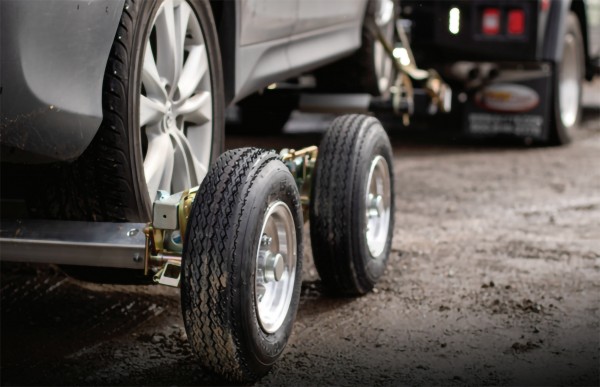
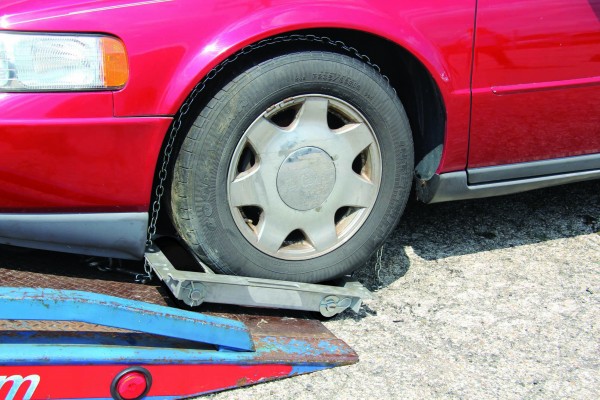
 135 miles – 35 of those through rough dirt roads, 100 highway miles. That is the recent log of a professional tower, one of many throughout the week that come in from motorists being stranded or local businesses servicing vehicles. Each one an opportunity to help, grow business and provide for a family. On this particular 90-degree day, the vehicle was off the beaten path (literally an unpaved road) in the eastern Oregon desert hundreds of miles from town round-trip, leaving the tower to figure out a way to bring the vehicle back safely. So, he turned to his equipment – a wheel lift and Collins Dollies, confident that they could shoulder the load down the rough, dusty track. Confident because he’s done it before. Therefore, he chooses Collins Dollies.
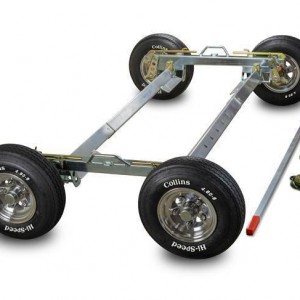 Collins Hi-Speed Dollies came about to increase the safety and speed that a vehicle could be recovered. Prior to that, dollies were completely assembled underneath a vehicle after using a jack to raise it high enough. Though a great invention for their time and capabilities, these pan dollies were heavy and exposed the operator to roadside hazards for an extended period because of the time it took to assemble. Collins Hi-Speed Dollies improved upon this concept and changed the towing industry with a self-loading dolly in 1972. Their Hi-Speed name is partly due to quicker setup and tow times since the dollies themselves were used to raise the vehicle.
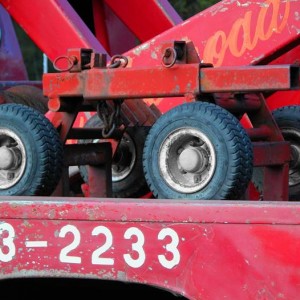 Collins Hassell, the namesake of Collins, had an entrepreneurial background gained through life’s experiences in creatively solving problems and caring for his family. During the 1940-50s while driving log trucks and hauling timber, Collins and his brother designed and manufactured improved log bunks and stakes for trucks that are still in use today. They had to be strong enough to carry a load of 50,000 pounds on trips from the forest to the mills, which could be a hundred miles or more (large portions of it on dangerous, washboard roads). Much of the materials and engineering for the bunks are like what would become the original self-loading dolly in 1972.
The self-loading dolly continues to evolve as material compositions and manufacturing technology progresses. Driven by user input—feedback from operators around the world contribute to what would help make their job easier, safer and equipment that is more resilient to road abuse. Some of these advancements led by Collins are:
1974 – Telescopic Positive Camber Steel Axles/Cross Rails
1974 – Greaseable Load-bearing Pivot Points Housed and Sealed Internally
1977 – Safety Ratchet System (SRS)
1985 – Safety Lock System
1995 – Telescopic Positive Camber Aluminum Axles/Cross Rails
1999 – Greaseable Steel Hubs
2006 – Lightest Weight Dolly (Collins Gen. 5 – SLX Hi-Speed Dolly)
2006 – Greaseable Aluminum Hubs
2006 – Removable Bolts & Components with Hand Tools
2008 – Aluminum 8” Wheel
2016 – Two-tone Zinc Plating Standard (Collins Gen. 6 – SLZ Hi-Speed Dolly)
2018 – Collins 4.80×8 Load Range D Tires (nearly 1000 lb. more capacity per set than 4.80 Load Range C Tires)
 So, what does this mean for you? How many times have you needed a tool and been frustrated that you do not have it, cannot find it, isn’t the right one or it does not exist? Maybe you were able to make do with what you had (a refined skill among operators), but wish it had not taken extra time, reduced profit, or lost business. In recovery and repossession scenarios, this could look like: turning away potential clients, lost time calling additional trucks to move a vehicle because the first one could not handle it, risking personal injury or vehicle damage.
With the right equipment the job becomes easier and safer. Collins Dollies have been designed and built for:
- ease of use.
- safety for your team & customers.
- to go where you need to be.
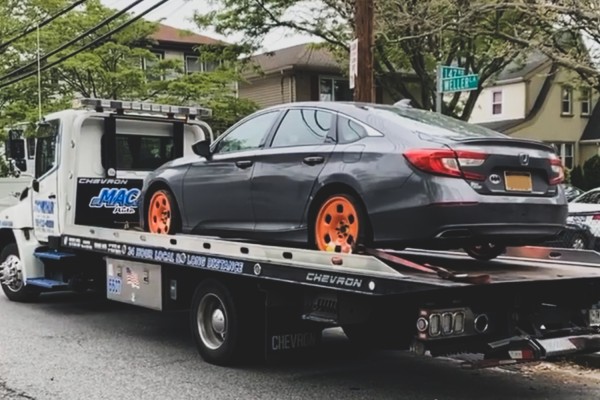
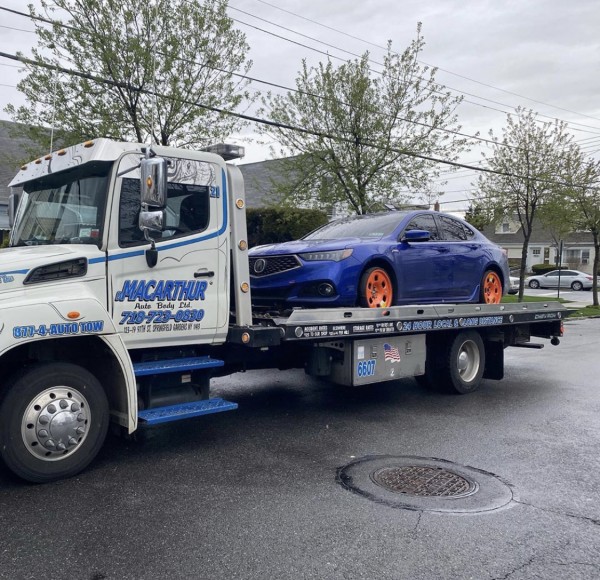
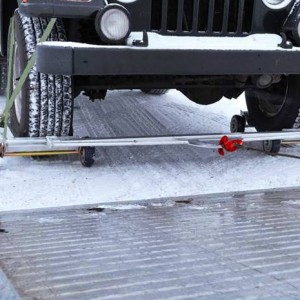 One operator can load the dollies under a vehicle and quickly lift it. The quickest time we have encountered is 60 seconds, from off the truck to vehicle lifted! With a little training, an operator or agent can recover AWD, electric/hybrid, vehicles that are disabled or stuck in park using the same dollies and wheel lift to get all four wheels off the ground and the job done.
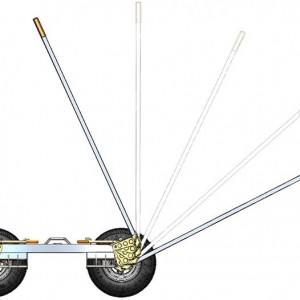
Safety is a top priority in the industry and should not be left out of dolly towing. It’s why all Collins Hi-Speed Dollies include the Safety Ratchet System which allows an operator to safely lift a vehicle (light or heavy) in all conditions – rain, snow, ice, gravel, slopes, uneven terrain – with the operator in control even if they should lose their grip or footing. Without it, the operator remains in the dangerous impact zone of the pry bar’s arc and a wrong move potentially resulting in serious injury. The Safety Ratchet System (SRS) acts as a backup safety while under tow, to keep the vehicle upright. If a vehicle on dollies without the SRS drops while being towed, it could cause extensive damage. The ratchets can also assist in moving a vehicle that is up against a wall, garage, or similar obstacle by partly raising the dolly and vehicle, pulling the dolly away, then raising it completely.
Because you do not get to choose where or in what conditions the vehicle lies, it helps to have the proper equipment that works as hard as you do. Collins Dollies are built to handle inclement weather, rough road conditions, heavy loads and long-distance towing if required. Properly maintained, loaded, and secured, Collins Hi-Speed Dollies can safely be used on highways, freeways, and interstates to move the vehicle where you need to go. A single truck with a wheel lift and Collins Dollies can do the work of multiple trucks, increasing profitability.
Repossession agents can find a dolly model tailored to them — Collins Hi-Speed Dolly REPO. Lightweight for moving in and out of the bed of a truck, yet strongest in its class offering 3640 lb. of capacity on 4.80-D tires with steel wheels. Same high quality yet less aesthetic steel wheels make this an economic model. Paired with Collins Combo Mount, the Hi-Speed Dollies can be stored out of sight in the back of a; pickup bed yet within easy reach so they are accessible right when and where you need them. Looking ahead, Collins has another dolly model that has been in development over the last several years to make repossessing vehicles even quicker, so agents can be in and out, then down the road in as little time as possible.
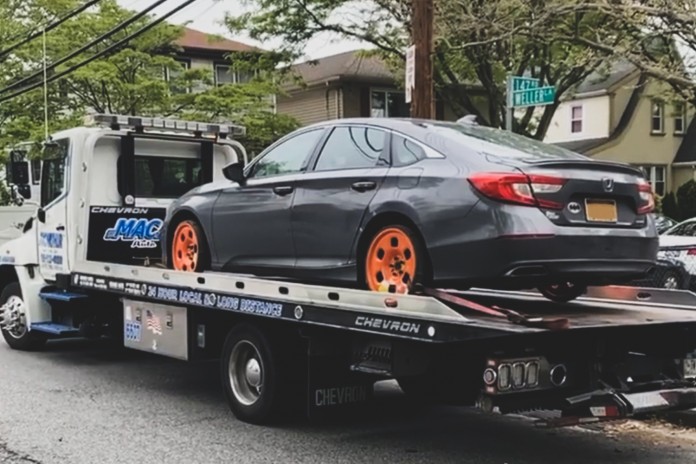
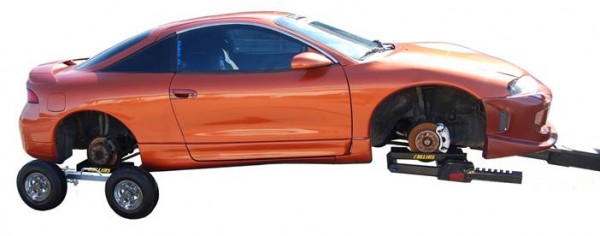 For those operating a flatbed truck instead of a wrecker, Collins Carrier Dolly gives you a damage-free, efficient way to load and unload vehicles. They effectively raise the vehicle for greater ground clearance, make for quicker loading and unloading and opens possibilities for towing a wider range of cars – electric, AWD, high performance and luxury vehicles. Should you come across vehicles without wheels because they were stolen or removed to prevent repossession, the Tow Cradle fits both Hi-Speed Dollies and Carrier Dollies to support the rotor and allow for recovery.
Coming back to our tower in the desert, he earned the job and delivered the vehicle safely all from the comfort of his cooled truck. That same pair of Collins Dollies has assisted him in over 1000 miles of towing, in less than a month. With no sign of slowing, he can keep his business going. When safety, durability, longevity, better performance, lighter weight, and profitability all matter, he chooses Collins. Safe and happy towing!
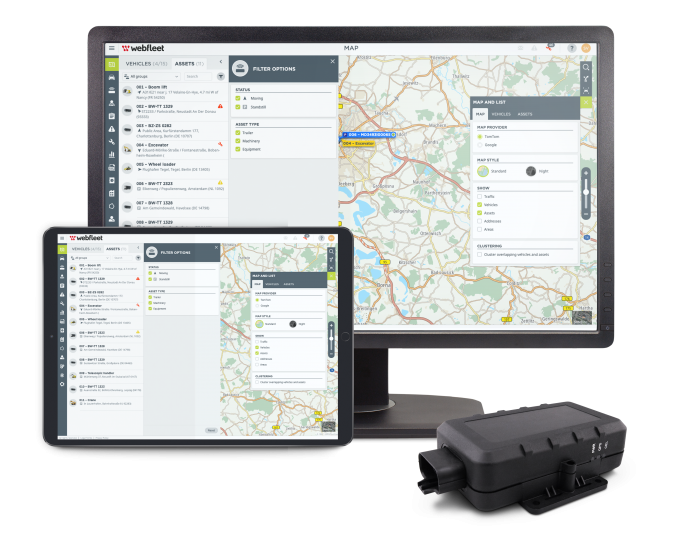
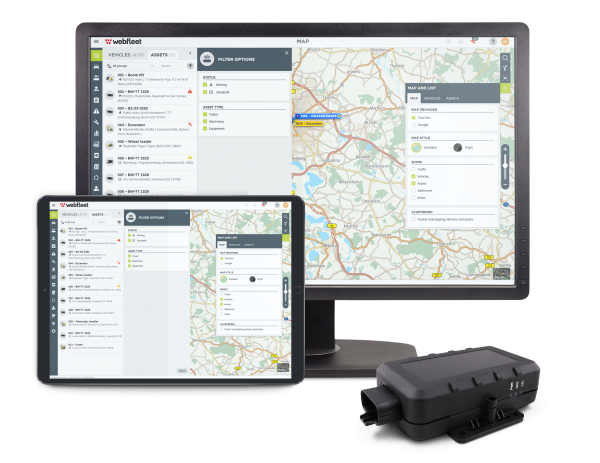 Webfleet Solutions, one of the world’s leading telematics solution providers, is helping fleets reduce the risk of equipment theft and improper usage with a new capability for asset tracking within WEBFLEET, released today to United States fleet customers and business owners. WEBFLEET Asset Tracking gives companies new ability to visualize the position and usage of their powered assets, such as trailers, generators and other equipment from a single interface with the position of vehicles and assets are displayed on a clear map view.
 I
I
 H
H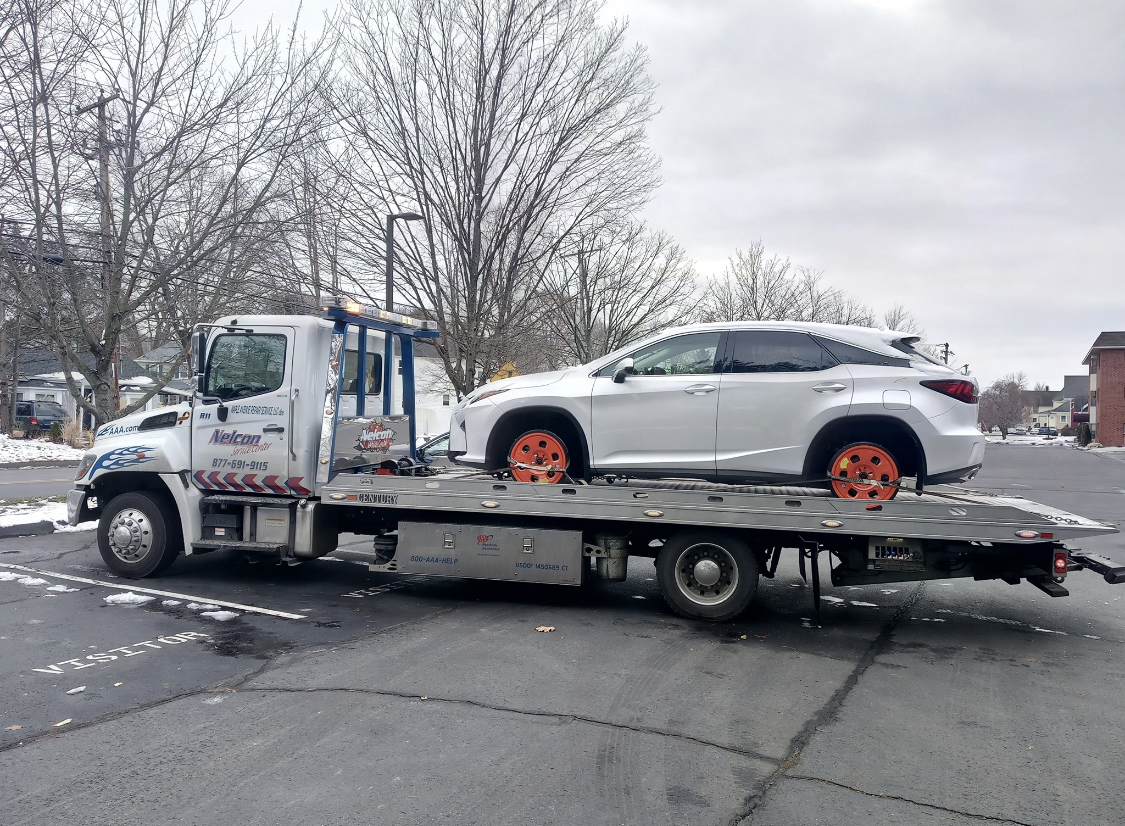
 GUNIWHEEL™ currently comes in two models: GUNIWHEEL™ 45 is for most standard size vehicles with 4 & 5 lug patterns. GUNIWHEEL™ 56 is for bigger trucks, vans, and large SUV’s with 5 & 6 lug patterns.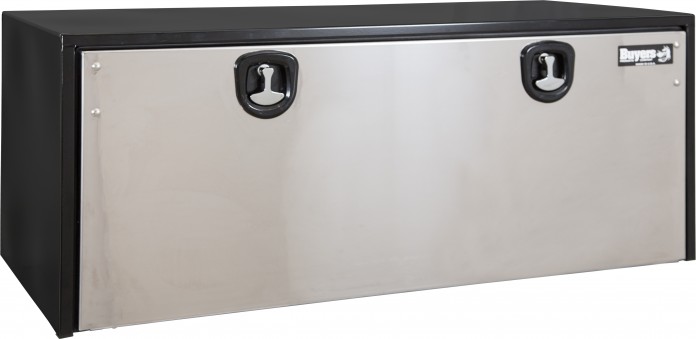
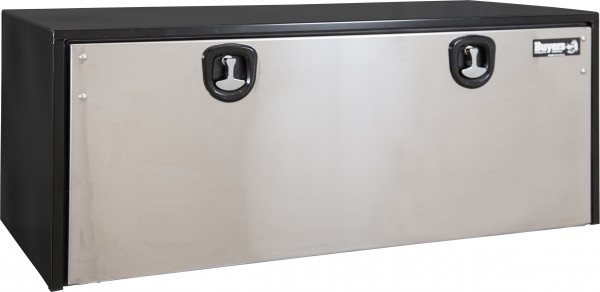 Jerr-Dan Parts is expanding its assortment to include Buyers Products Toolboxes and Brackets. Manufactured and assembled in the USA, Buyers offers a range of toolboxes with emphasis on customer value. Brand reputation, especially one of durability and dependability is essential to Buyers, and they are proud to partner with Jerr-Dan in order to provide customers with top
 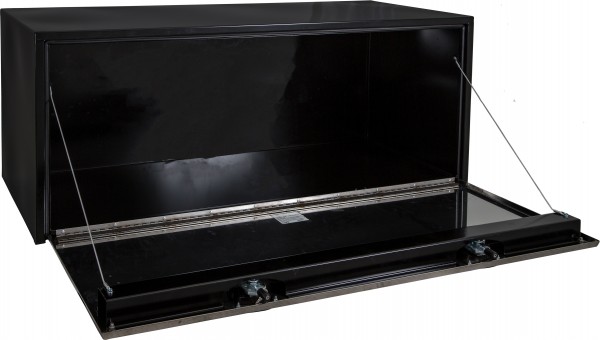 toolbox and bracket selections. Built with durable materials like carbon steel, stainless steel, aluminum, and polyethylene, these toolboxes come in different styles and sizes, which are all available for purchase through a Jerr-Dan distributor.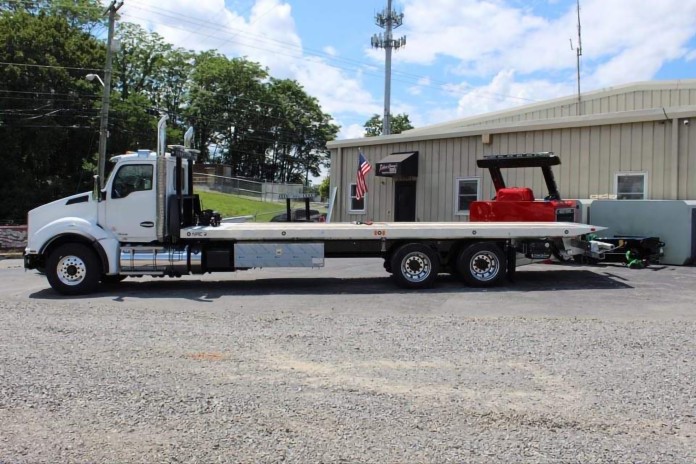
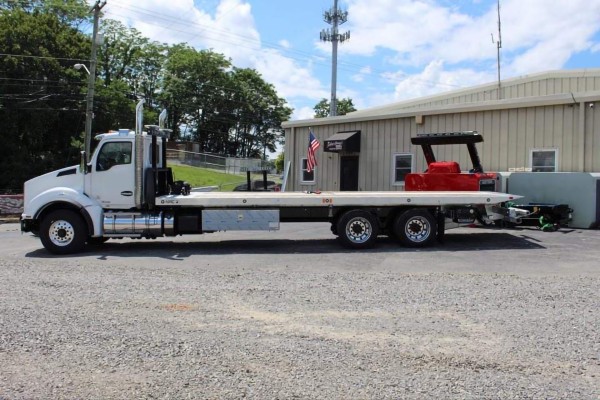 The NRC Quick-Swap is the most versatile detach unit available on the market today!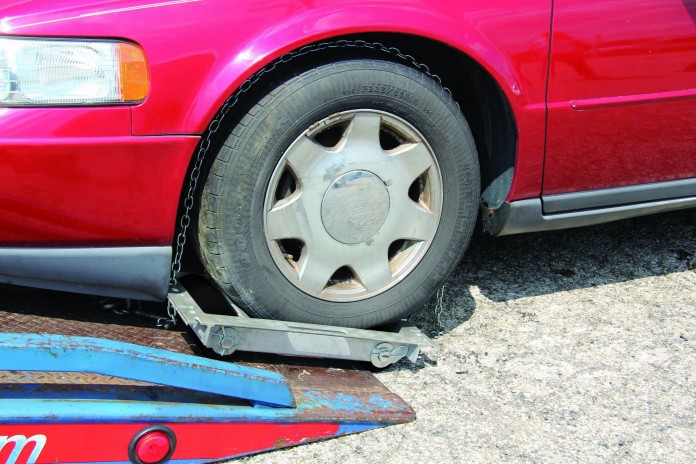
 Calls for quickly moving vehicles with broken ball joints continue to grow. While many use skates or Go-Jacks, many tow-ers find that due to their inability to safely load and secure a vehicle, especially on the aluminum bed roll back wreckers, they find the need for a sturdier device.
 We have also found that the shops where the towers drop the damaged vehicle has a similar problem because Go-Jacks do not work well outdoors, which result in many damaged floor jacks trying to move the vehicle into the shop. The 4th Wheel Loader with its two Polypropylene wheels works well in gravel and dirt to move the vehicle directly into the repair bays and frame racks.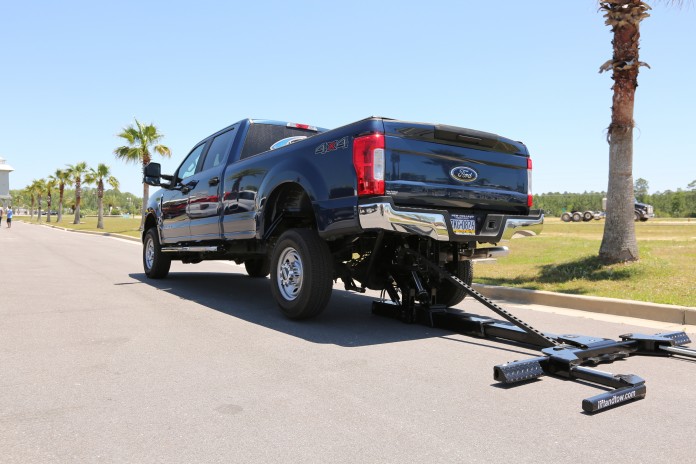
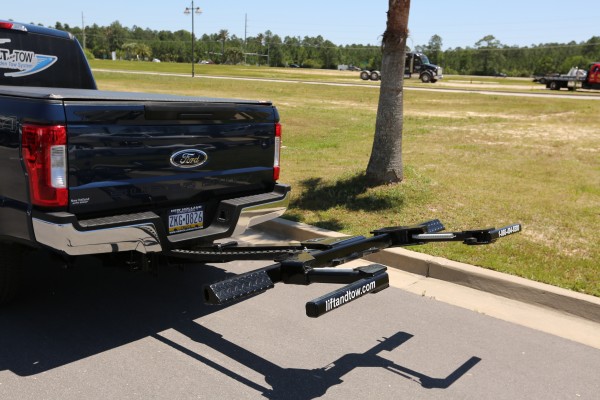 3 SERIES TOW TRUCK LIFT
 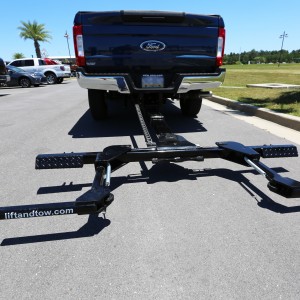 Lift & Tow, the original creators of the hidden wheel lift, is a leader in providing solutions that make towing jobs easier and more efficient. 3 Series wheel lifts deliver a cost-effective way to get the professional towing capabilities you require without having to purchase a traditional tow truck. Our wheel lifts for sale are simple to install and use, saving you time and reducing the manual labor involved in towing cars and trucks.
  The 3 Series is a slide-in wrecker boom that attaches to the underbody of your pickup truck and is completely hidden from view when not in use. It’s an excellent towing solution for municipalities and commercial towing companies as well as independent tow truck drivers and repo agents. The sub-frame is adjustable in width and length for the most versatile hidden tow boom available on the market with 3,500lbs lifting capacity, and 7,500lbs towing capacity. Your trucks will look and drive like normal, with the “hidden” ability to tow vehicles in as little as 35 seconds. The 3 series system costs just $3,995.00.
 Lift & Tow’s 5 series system is the advanced version of the 3 series system.
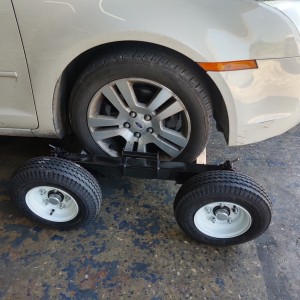 A brand-new product has just been released, our very own line of Wheel Dollies. These dollies come in either a #3000lb or 4,000lb capacity. These new dollies are heavy duty and weigh about 52lbs per. The dollies use a cam lock, locking mechanism, are very user friendly, and have an upgraded crossbar with heavy duty locking pins. The dollies use sealed bearings for longer life and are repairable and rebuildable. Visit www.liftandtow.com today, and check out our full line of products, all proudly American made!.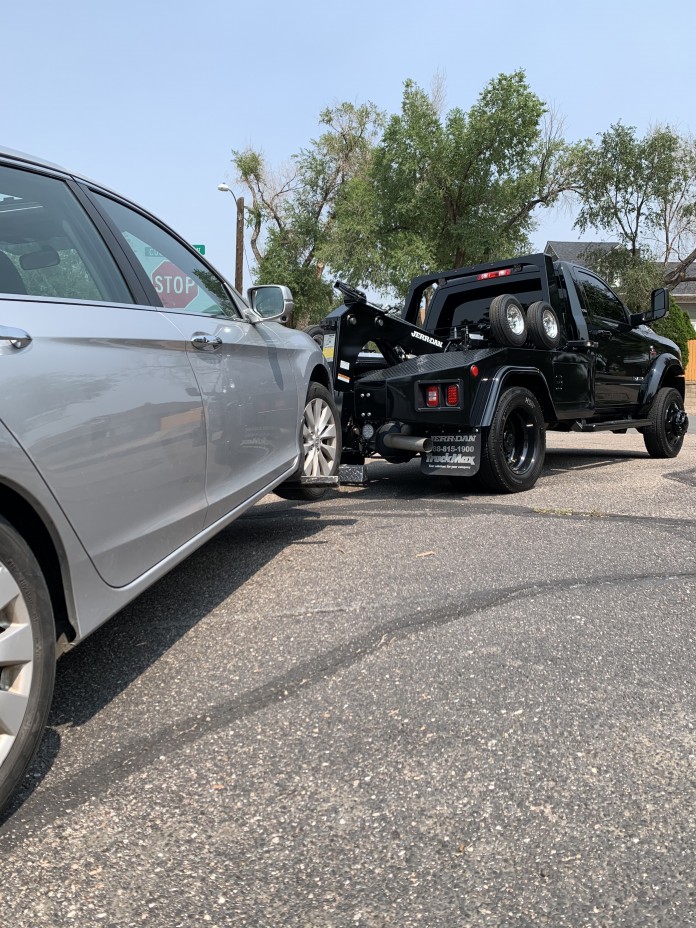
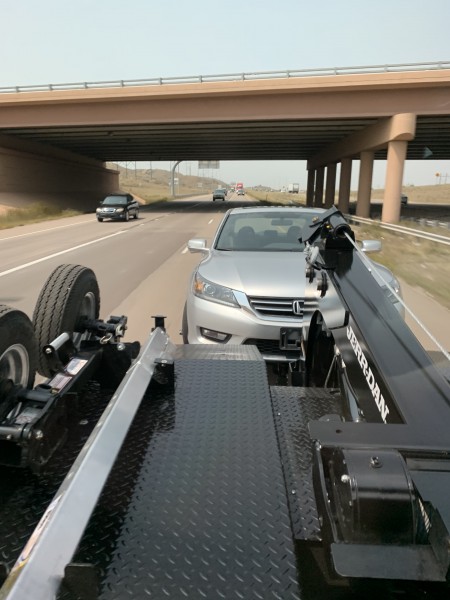 If you are in the repo business, it’s likely that you already know what you’re looking for: a durable truck that gets the job done efficiently. Look no further than the Jerr-Dan MPL-NG or MPL-NGS models. Jerr-Dan’s standard wrecker line-up includes an MPL-NG and MPL-NGS that offer a quick and speedy recovery. Sold by authorized Jerr-Dan distributors, either model offers you durability, versatility, and the efficiency to get the job done. The underlift on both models come standard with a 90-degree pivoting head, with an 8,000 lb. winch option or without a winch – allowing you to recover a parallel parked vehicle with ease.
 Other features on both models include multiple grid options from manual L-Arms, pivoting L-Arms, or fixed L-Arms. Whether you are towing low-clearance sports cars or motorcycles, the customizable wheel lift packages for each model let you take on more jobs, faster.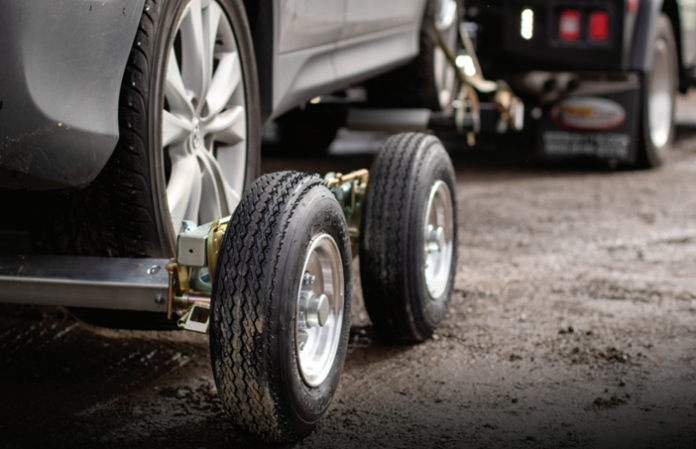
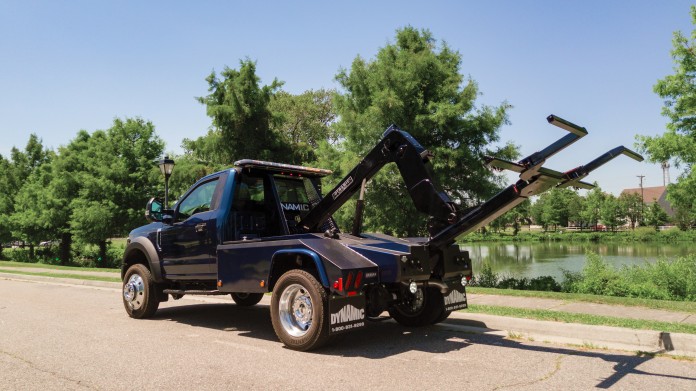
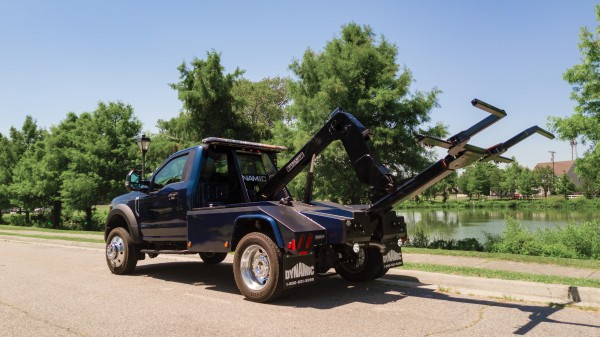 Established in 1982, Dynamic Manufacturing began its operations in an 8,000 square foot building in Norfolk, Virginia.
 The creators and executive team at Dynamic Manufacturing were the innovators in the repossession and towing industry. Calvin Russ, the company’s founder, started Dynamic Manufacturing by sketching out an idea to design a wheel-lift system that would be easier, faster, and safer to operate than what was available at the time. His creation, the Original Self-Loading Wheel-Lift, was born and Dynamic Manufacturing consistently worked to perfect the Self-Loading Wheel-Lift. Today, the Self-Loading Wheel-Lift is the most sought-after technology in the industry.
  The company’s mainstay was the 601 series with a 4,000-pound wheel-lift. This unit has now been bypassed with the 701 with its 5000lb wheel-lift fully extended, and optional Neg-Power tilt. With the 701’s impressive array of standard equipment, it is available in four different configurations: the B, which is the basic unit with the 5,000 pound wheel-lift; the BDW, a bed with a deck winch; the BSW, a bed with a recovery boom and a single winch; and the BTW, a bed with a recovery boom and two winches and numerous optional equipment is available to qualify for city and state towing contracts.
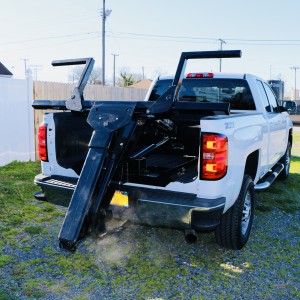 The 701 light duty and light/medium duty truck series and the 801 medium duty truck series are also available in the four different configurations. The 701 series offers a 5,000-pound wheel-lift and is also available with optional winch or negative tilt. The 801 series is the truck that Dynamic designed for the Virginia Department of Transportation and is available with an 8,000 pound wheel-lift. Dynamic Manufacturing totally reengineered the 801 series with an 8500LB wheel-lift and 16-ton recovery boom to meet their needs!
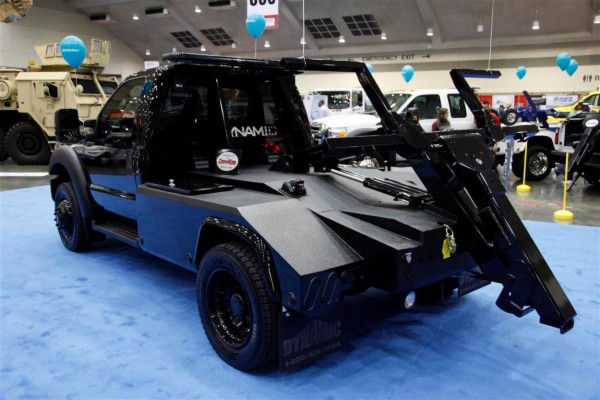 Dynamic Manufacturing is continuing to broaden its product line. Dynamic was the first to manufacture rollbacks with a Self-Loading, Independent, Wheel-Lift. The traditional “L” arm wheel-lift is offered as standard equipment. As time progressed, methods of towing vehicles and trucks also required more diligence when towing. Dynamic saw the need to manufacture equipment that would help the tower be able to not only perform his job safely, but also with the delicate care needed to tow the present and future vehicles and trucks. The latest products introduced and now manufactured by Dynamic are the RADIUS Rotator Carrier, Slide-in Units, and the Stealth Wheel-Lifts. Dynamic offers a full line of products that can transform your pick-up into a wrecker at a low cost, and it makes for the perfect setup for low clearance garages! The latest addition to the lineup is the Dynamic Service vehicle. Make sure you visit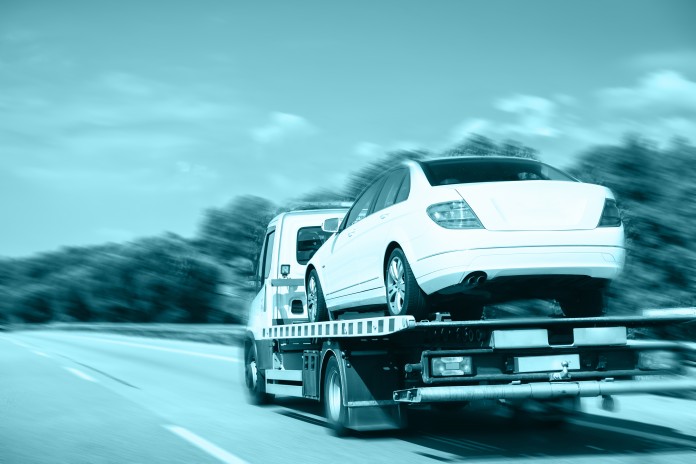
 Did someone damage your tow truck?
 F
F
 D
D I’m sure you can add to the list.
 If our country goes socialist there is no coming back.
 W
W Generally, I prefer not using analogies, but I need to make this comparison.
 I’ve talked to a bunch of people in the industry recently and have gotten similar responses to the question of how business is going.
 There’s always a lot happening at the
 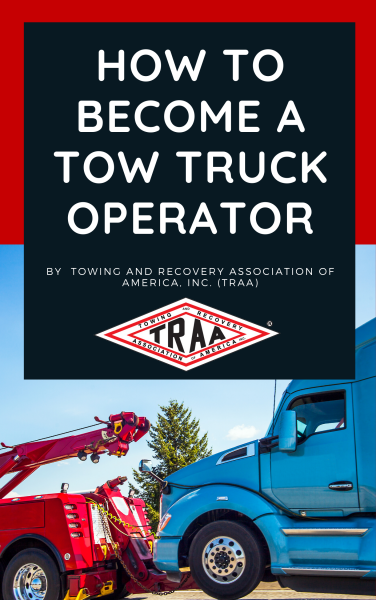 Additionally, one of TRAA’s key focuses is bringing new people into the industry. In June TRAA launched its newest book, How to Become a Tow Truck Operator which is now available for e-reader and paperback on Amazon. This is a short, no-nonsense guide to a career as an operator in the towing and recovery industry. The book provides an overview of the work towers do, a tow truck driver job description, a look at tow truck driver requirements, information on tow truck driver income and salary, tips on finding a job in the towing industry and more. How to Become a Tow Truck Operator is a must-read for anyone considering a career in towing and recovery!